Wedding Timeline Tips From a Real Couple: How Chelsea and David Built a Day They Could Actually Feel
Most couples do not need more wedding-day ideas.
They need more room to actually feel the day.
When I caught up with Chelsea and David about a year after their wedding at the Inn at Manchester, that was the part that stood out most. Not the decor. Not the tiny planning details. Not the things that felt biggest in the final weeks.
What stayed with them were the moments where they had enough space to notice what was happening.
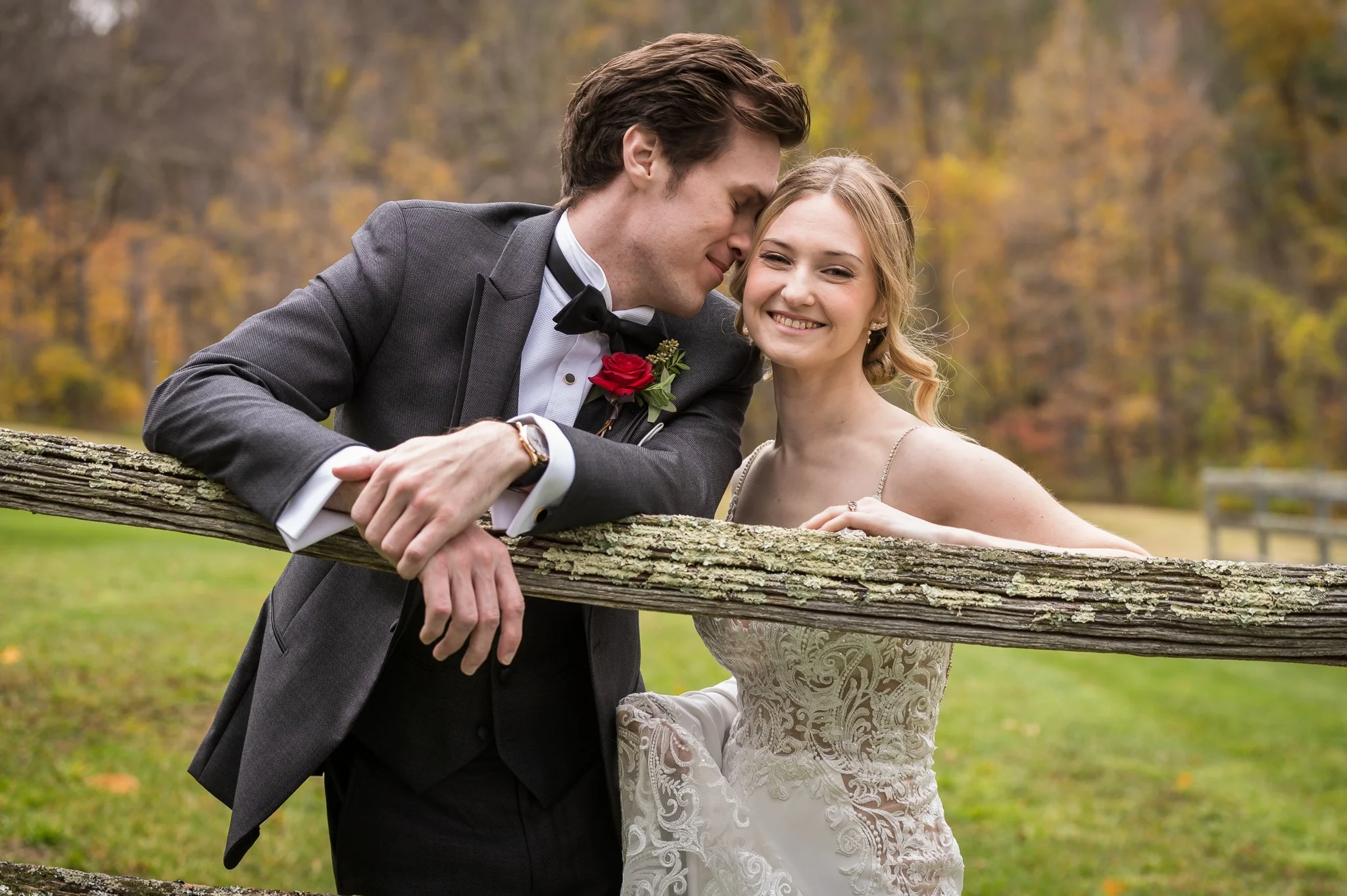
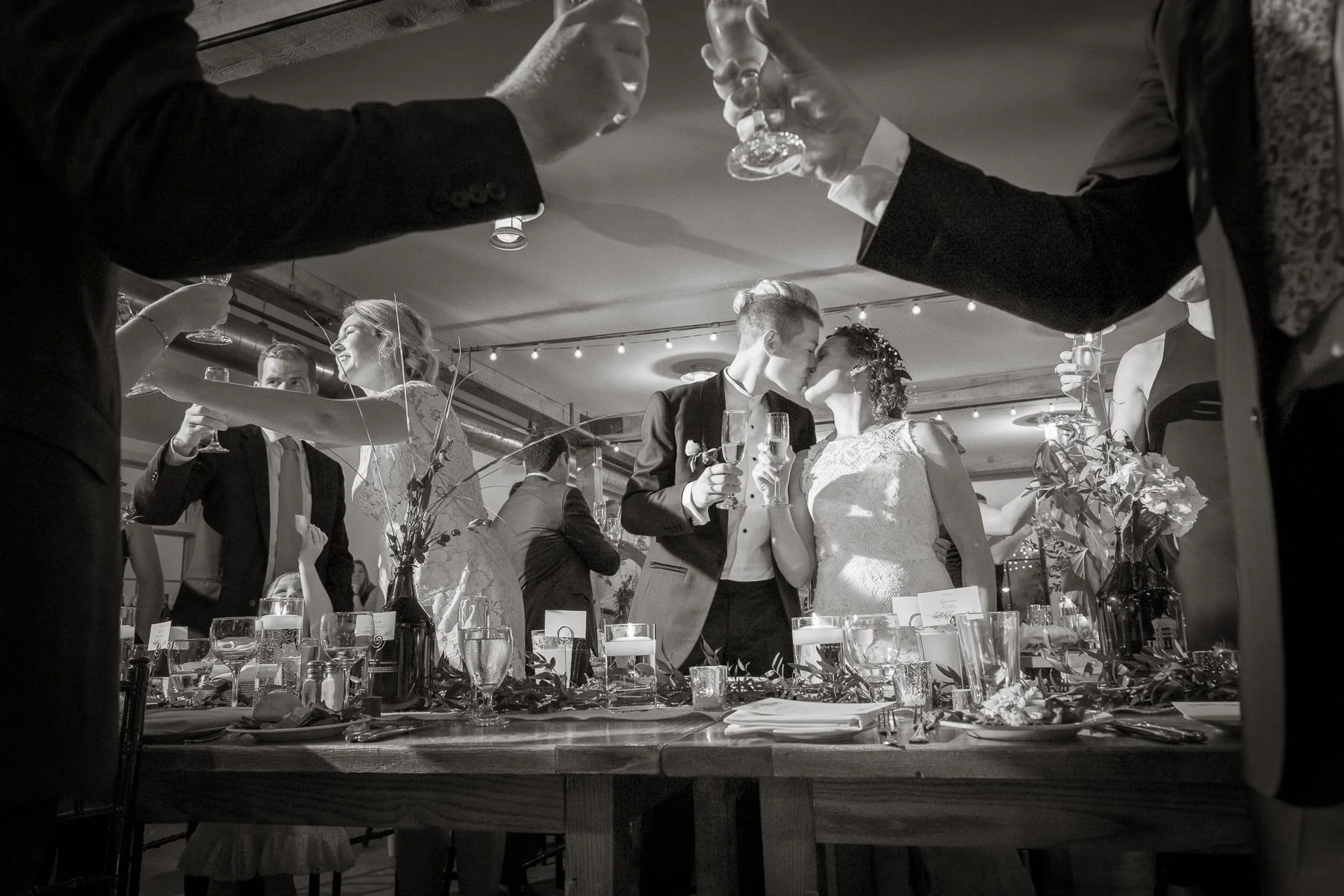
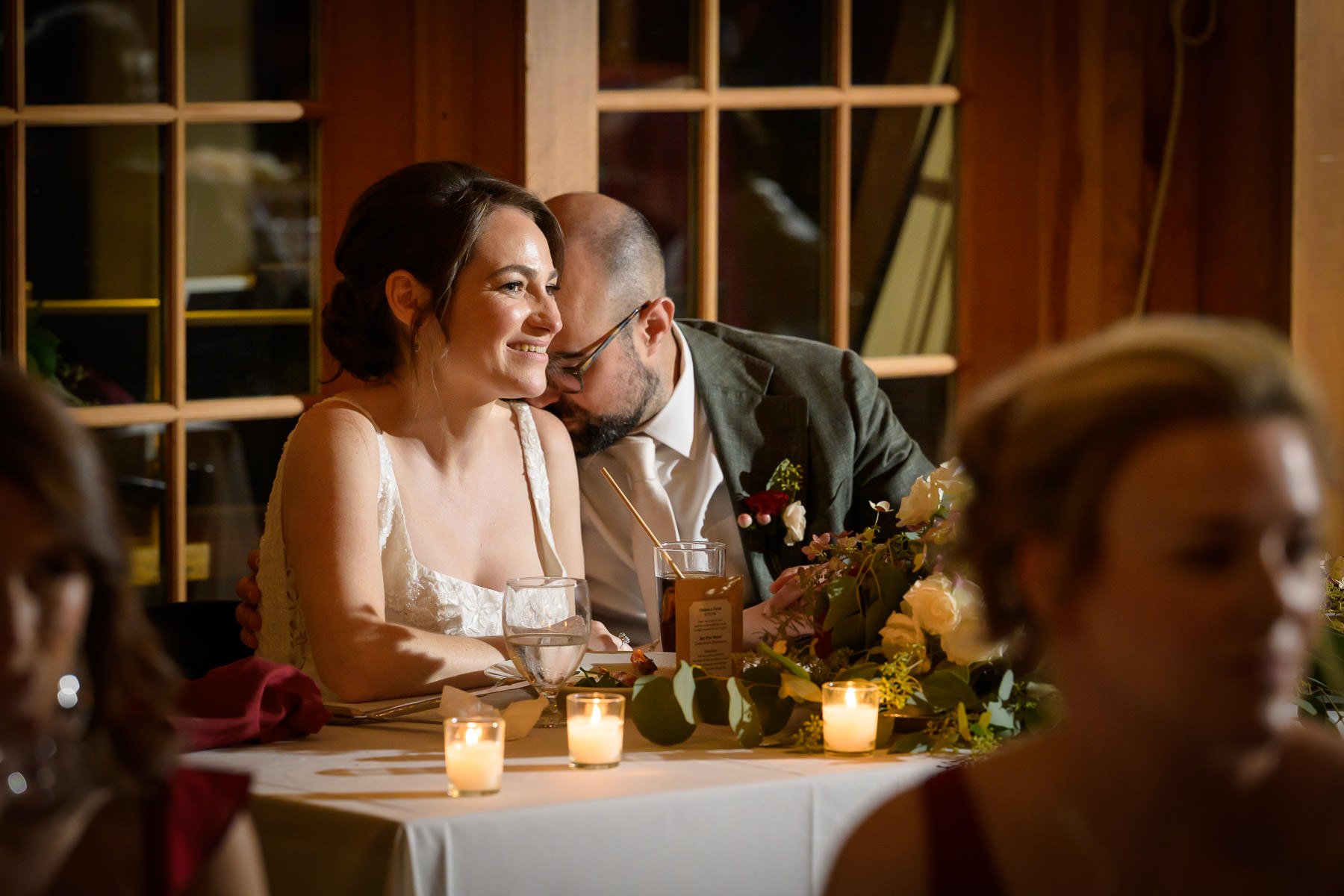
Chelsea told me about sitting at their sweetheart table during dinner and suddenly realizing what was in front of them: “We just sat there and I was like, David, these are all of our favorite people in the world… in one room.” Then came the part that really mattered: “I don’t think we would have had that moment or that reflection without just being at that sweetheart table.”
That moment did not happen by accident.
It happened because they made practical decisions that reduced pressure, protected time, and gave the day room to breathe.
It also happened because they built a wedding that felt deeply personal to them.
That is what this post is about.
Not how to build a perfect wedding day.
How to build one you can actually feel.
Quick takeaways (if you only skim one thing)
Plan presence (don’t just hope for it): build in one guaranteed pause point where nobody needs you.
Put effort where it pays you back: vows, flow of the day, and meaningful choices beat last-minute detail spirals.
Consider a welcome night: it reduces the pressure to “see everyone” during the wedding.
Reception rule: don’t start greeting tables until food is on the plate.
Protect margin: a day that’s overfilled can’t be fully felt.
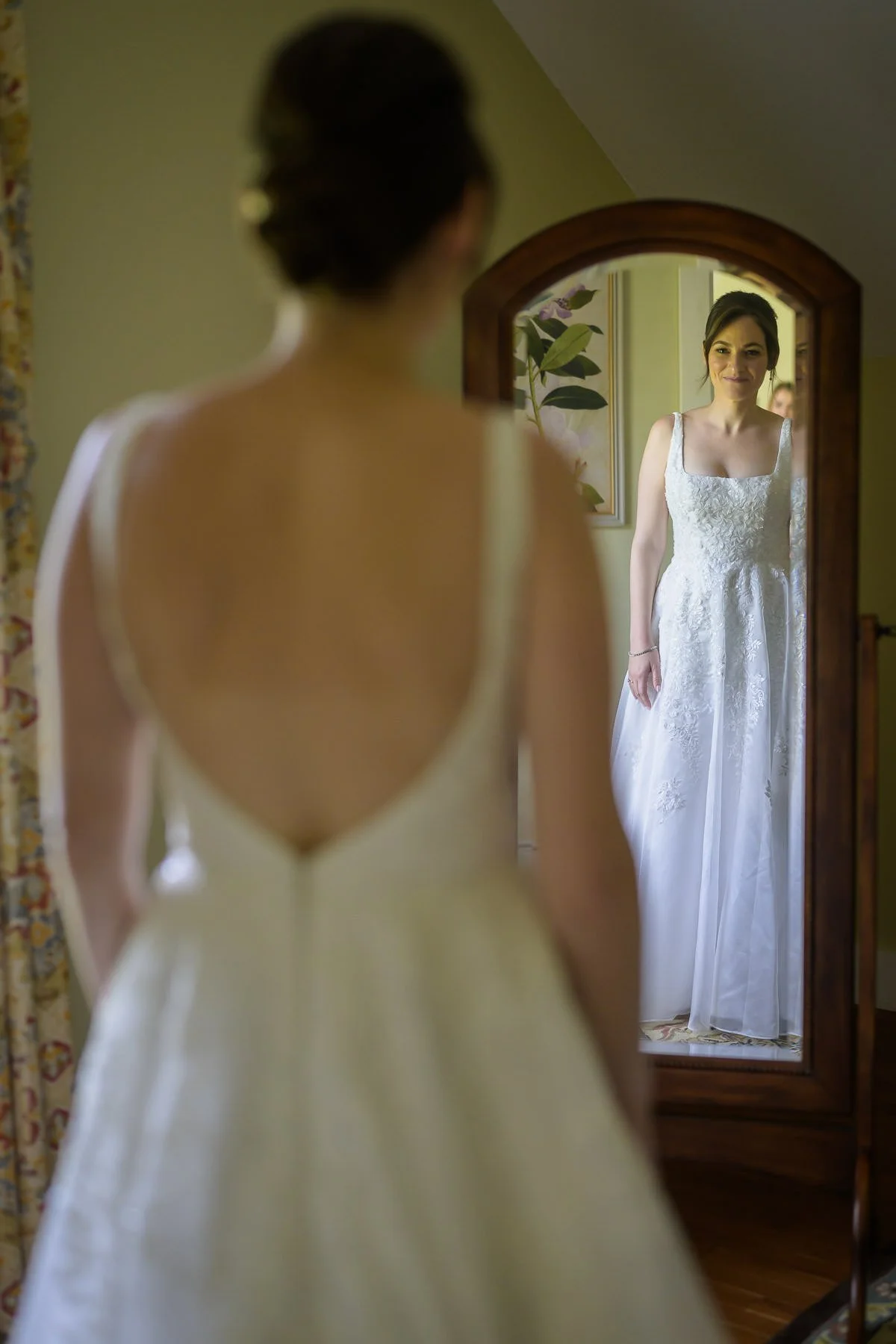
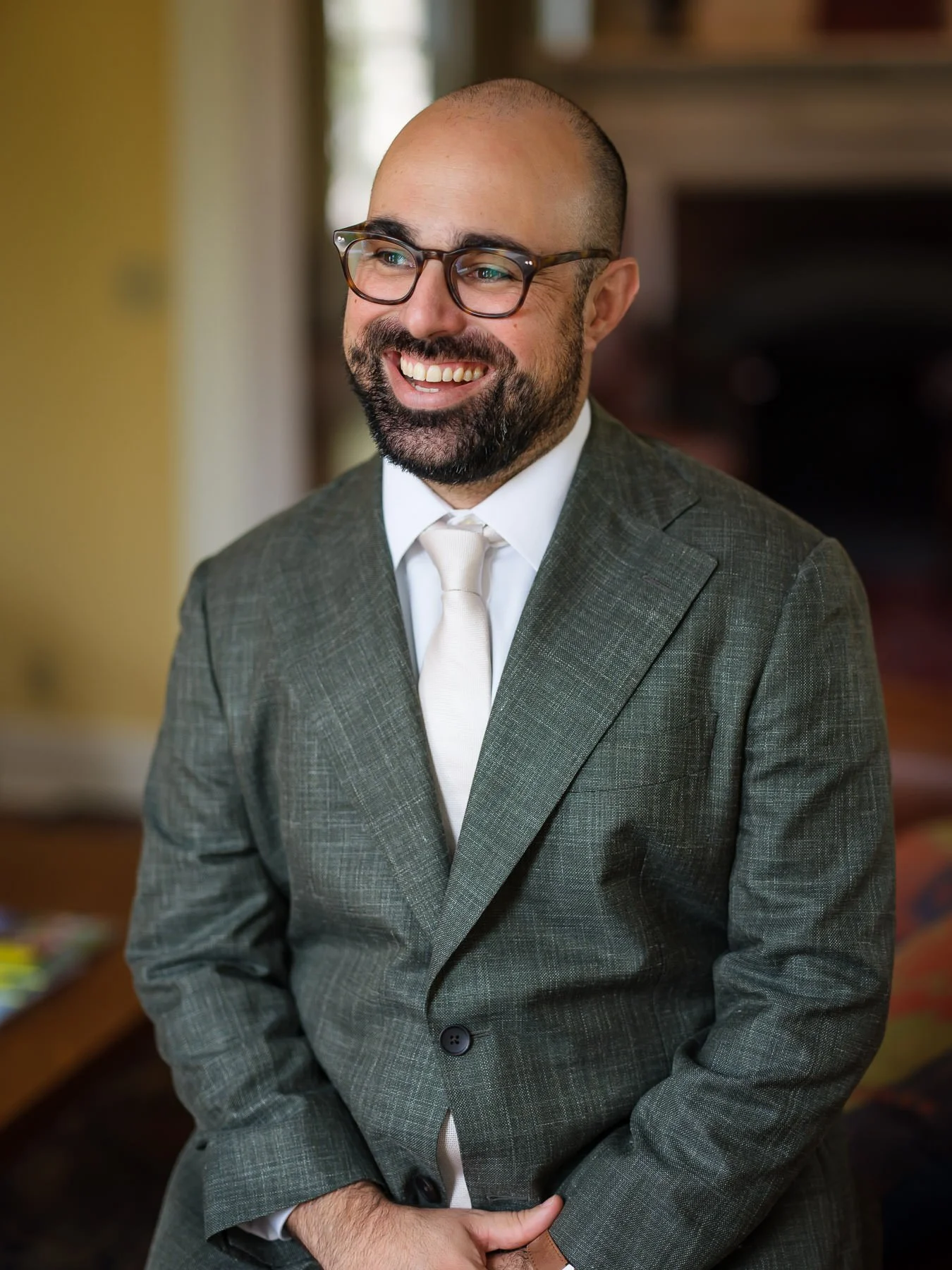
Presence is not just a mindset. It’s something you plan for.
Like a lot of couples, Chelsea and David had heard the same advice before the wedding: take it all in, because it goes by fast.
They took that seriously.
As Chelsea put it, they went into the day “trying to be very intentional about like taking some moments to like take it all in.” She said, “I remember feeling like I was really present,” and that they “made sure to take a moment to step away or to just look at each other and say, oh my god, I can’t believe we’re here.”
That is a better goal than just telling yourself to “be present.”
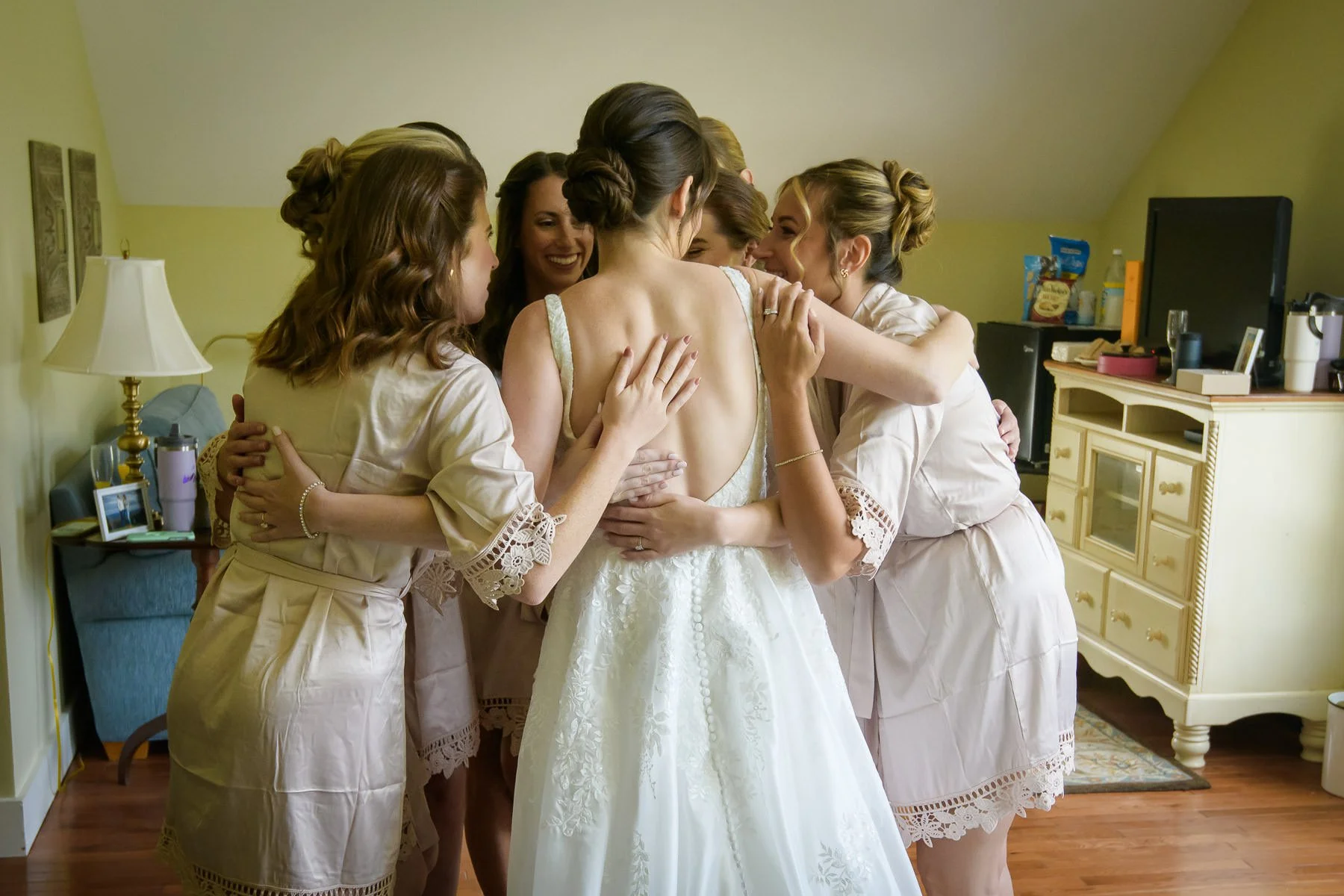
Presence usually does not come from willpower alone. It comes from building a day that gives you somewhere to pause.
Chelsea and David still felt the day go by quickly. But it did not disappear on them. As Chelsea said, “It went by fast, but I didn’t think it was so fast that I didn’t remember anything.”
That is the goal.
Not a wedding day that feels long.
A wedding day that feels lived-in.
Related: If being present is one of your biggest priorities, here’s a deeper guide on how to feel present on your wedding day. How to Feel Present on Your Wedding Day (and Actually Remember It)
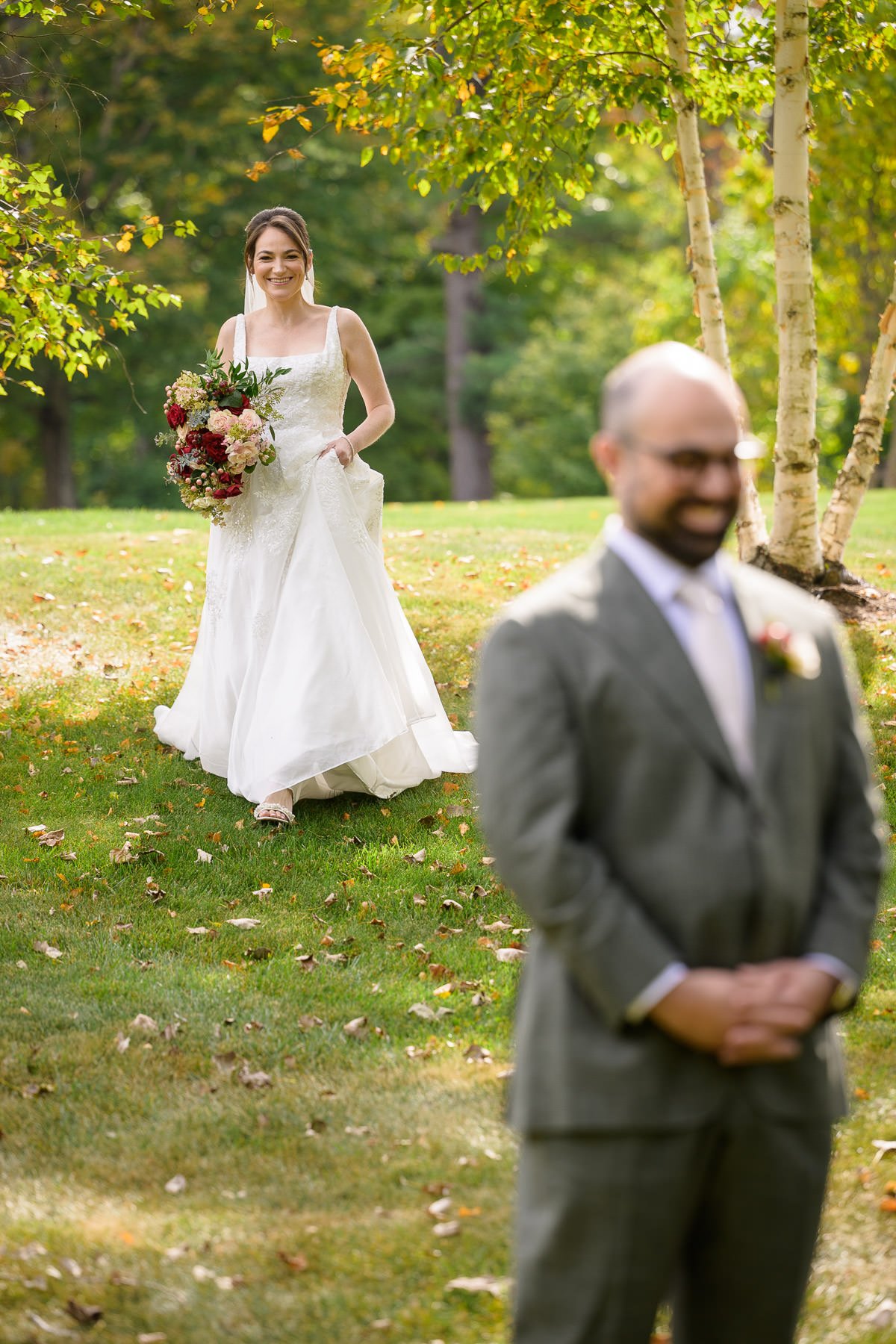
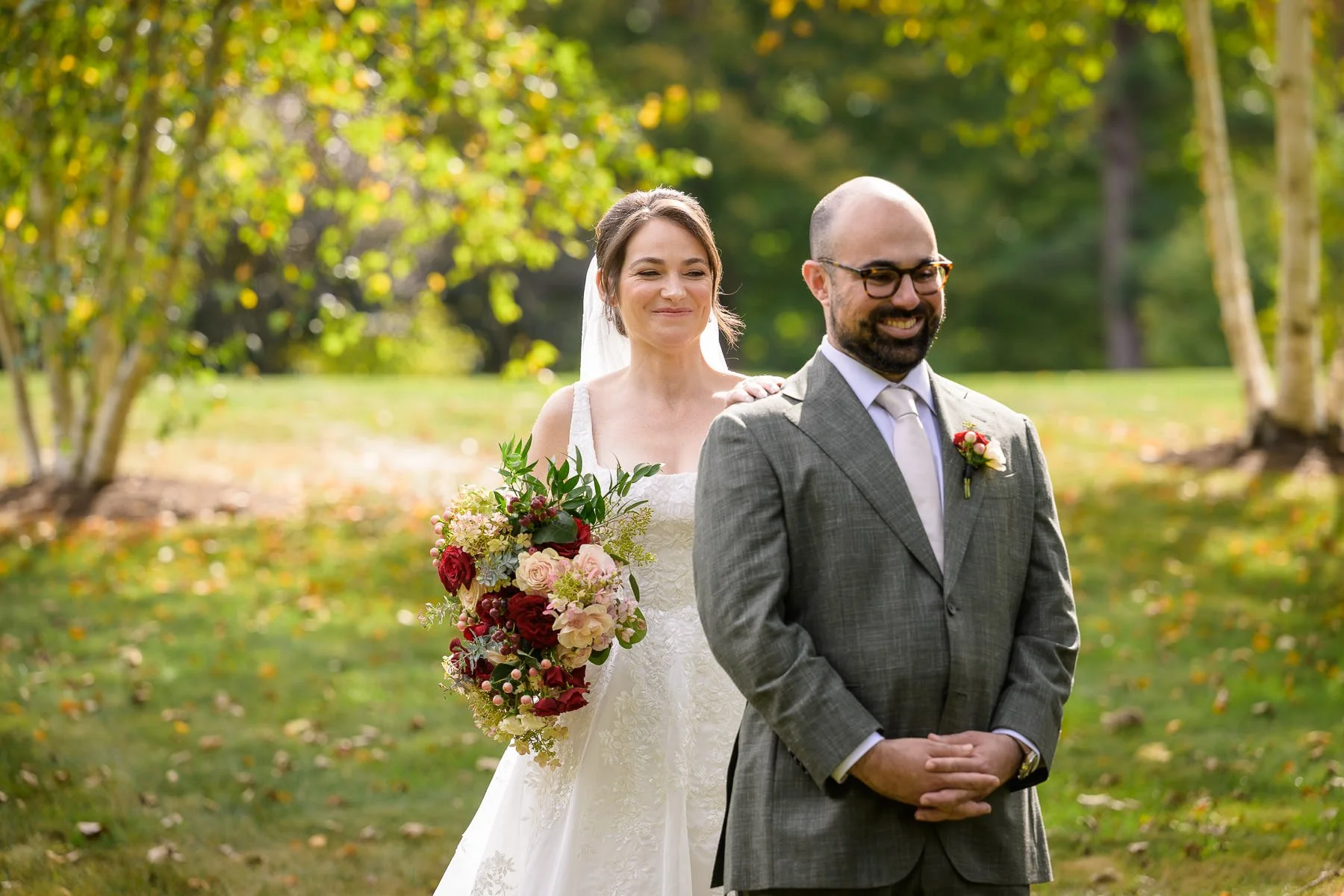
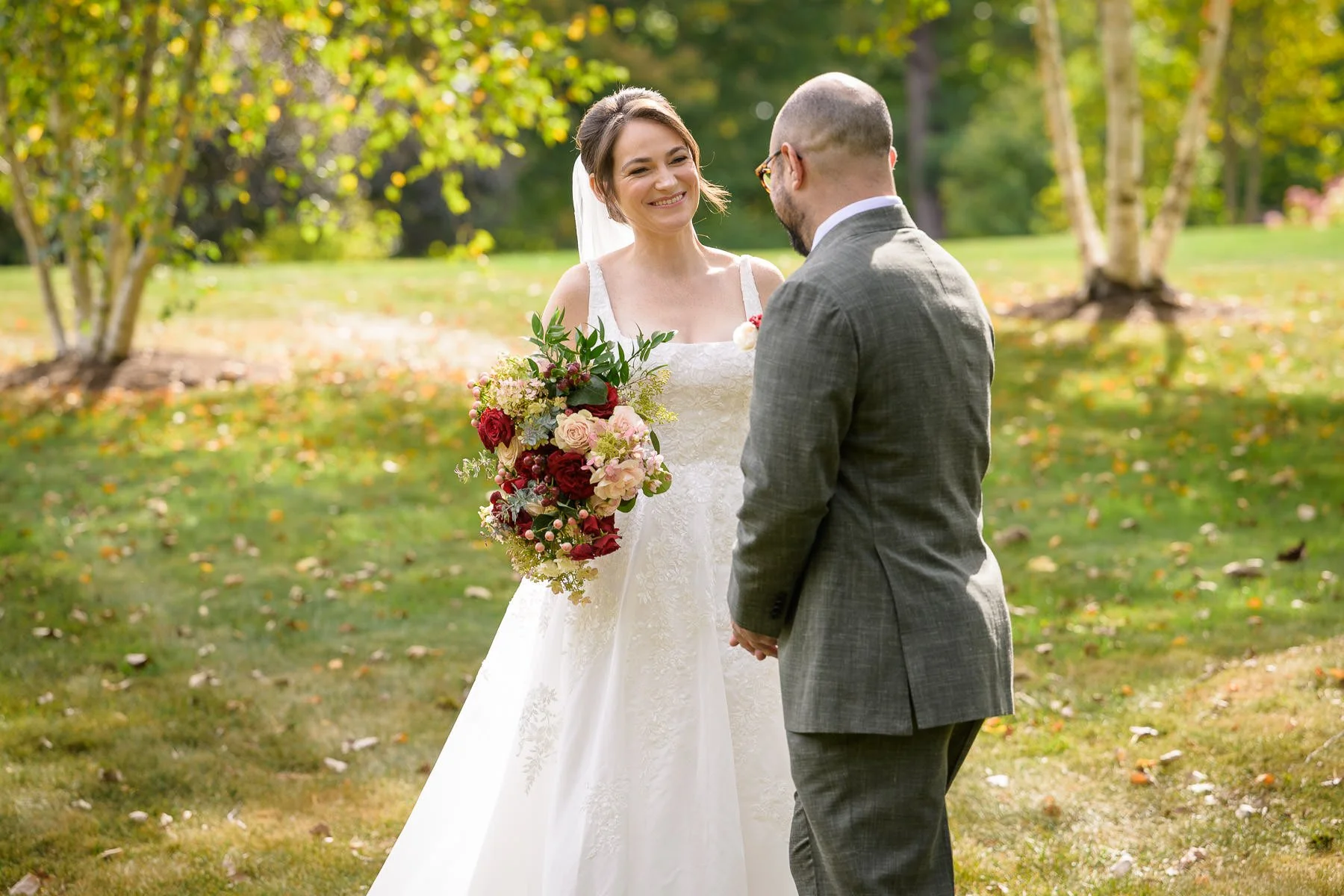
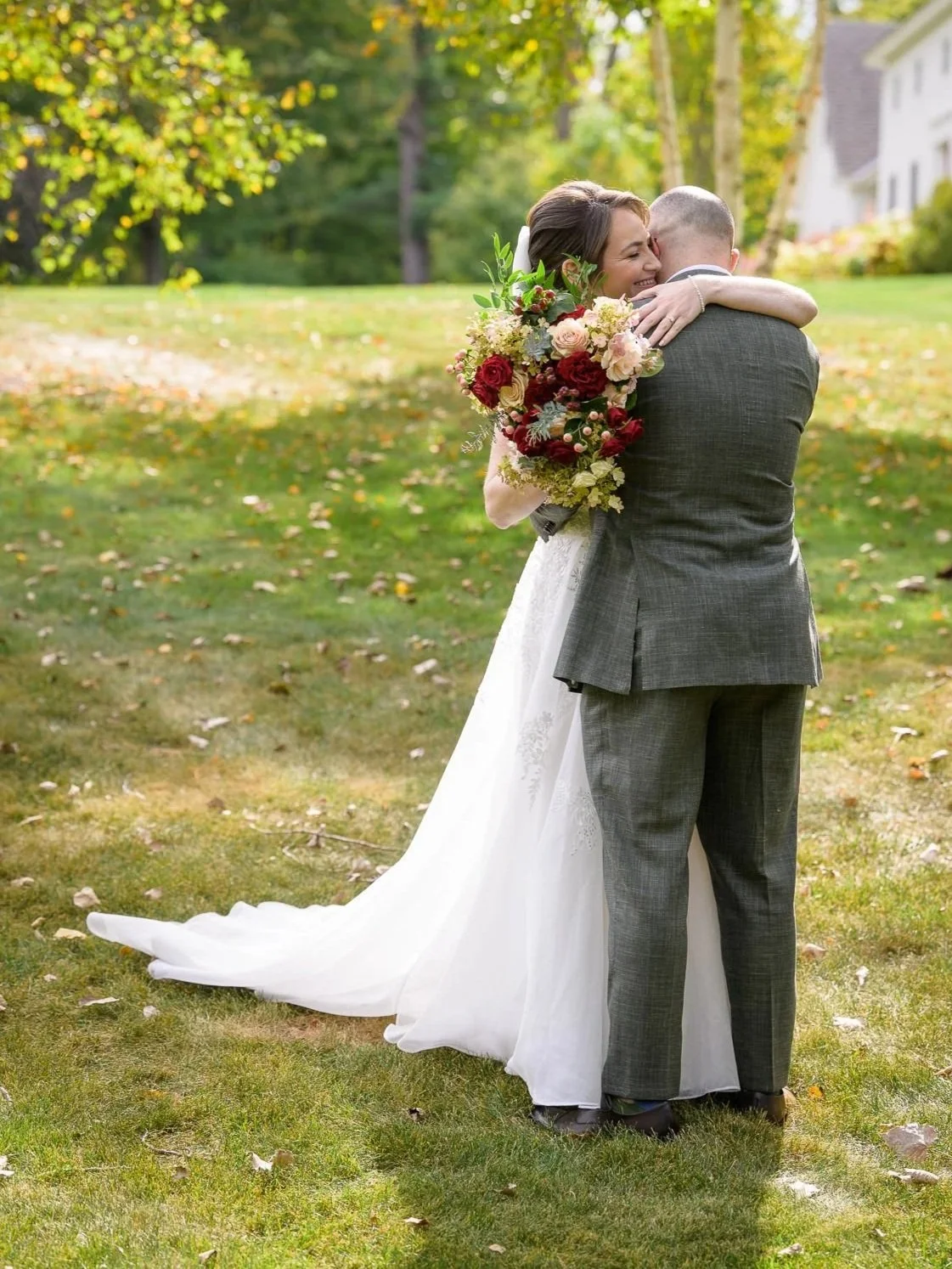
What mattered most was what felt like them.
This was one of the clearest threads in our conversation.
When I asked what felt most meaningful in hindsight, David did not talk about generic wedding details. He pointed to the parts of the day that clearly reflected who they were.
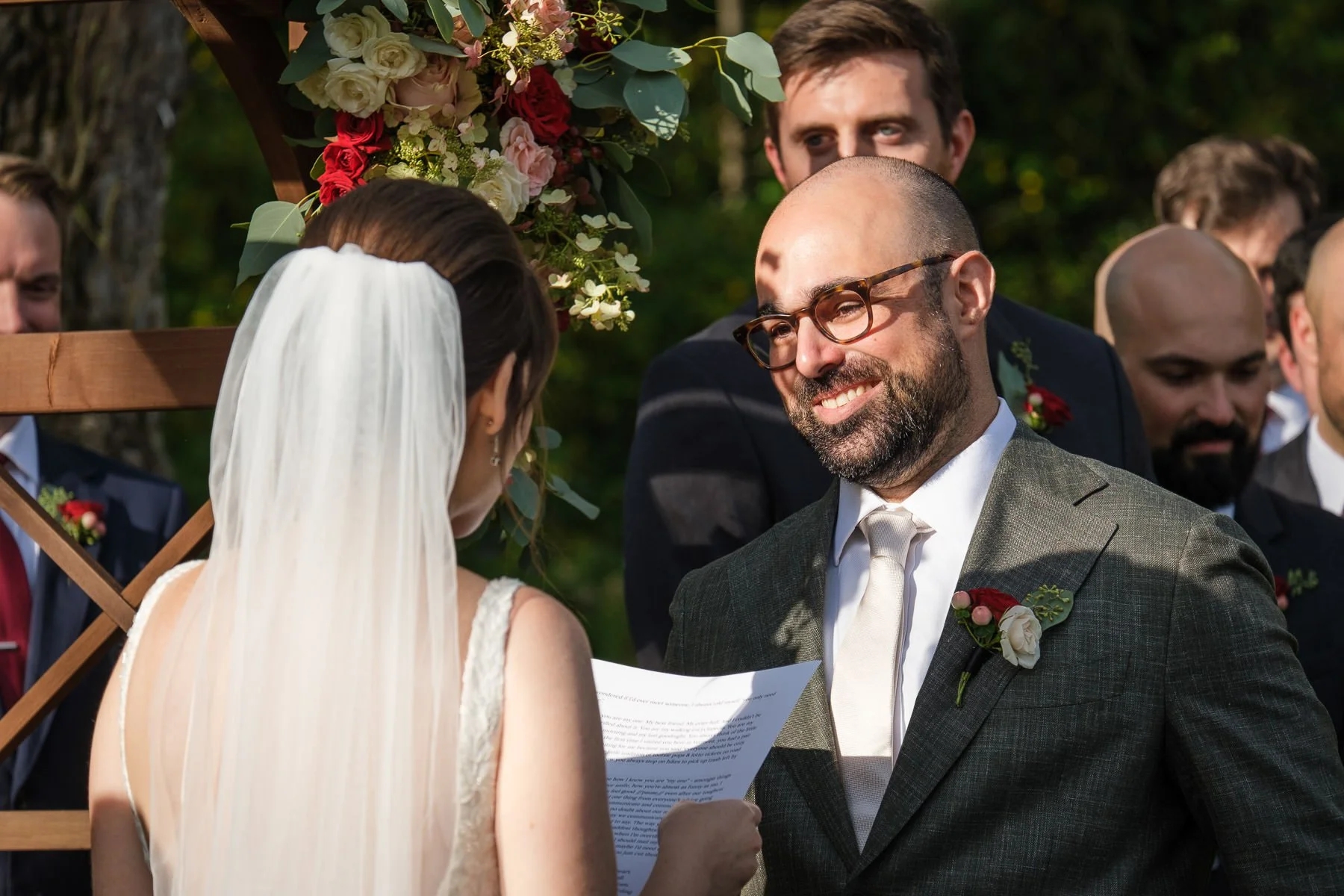
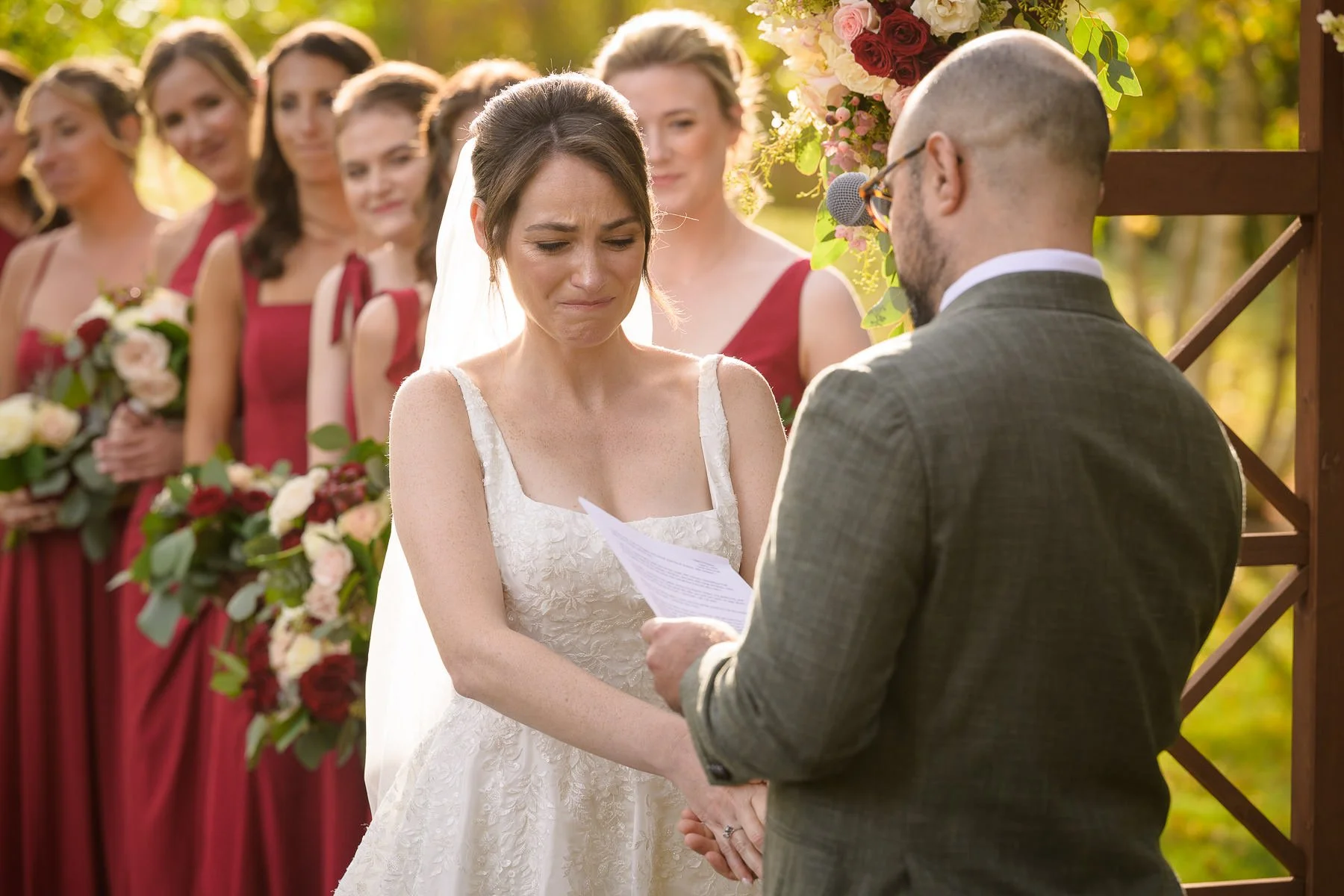
“The things that were meaningful were to us as a couple were the parts that represented us as a couple,” he said. “It was our personalized vows. It was the officiant that represented, you know, a strong relationship in both our lives. It was the first look.”
That is a useful filter for planning.
The parts of a wedding that stay with you are often not the most expensive ones or the most polished ones. They are usually the parts that actually feel like you.
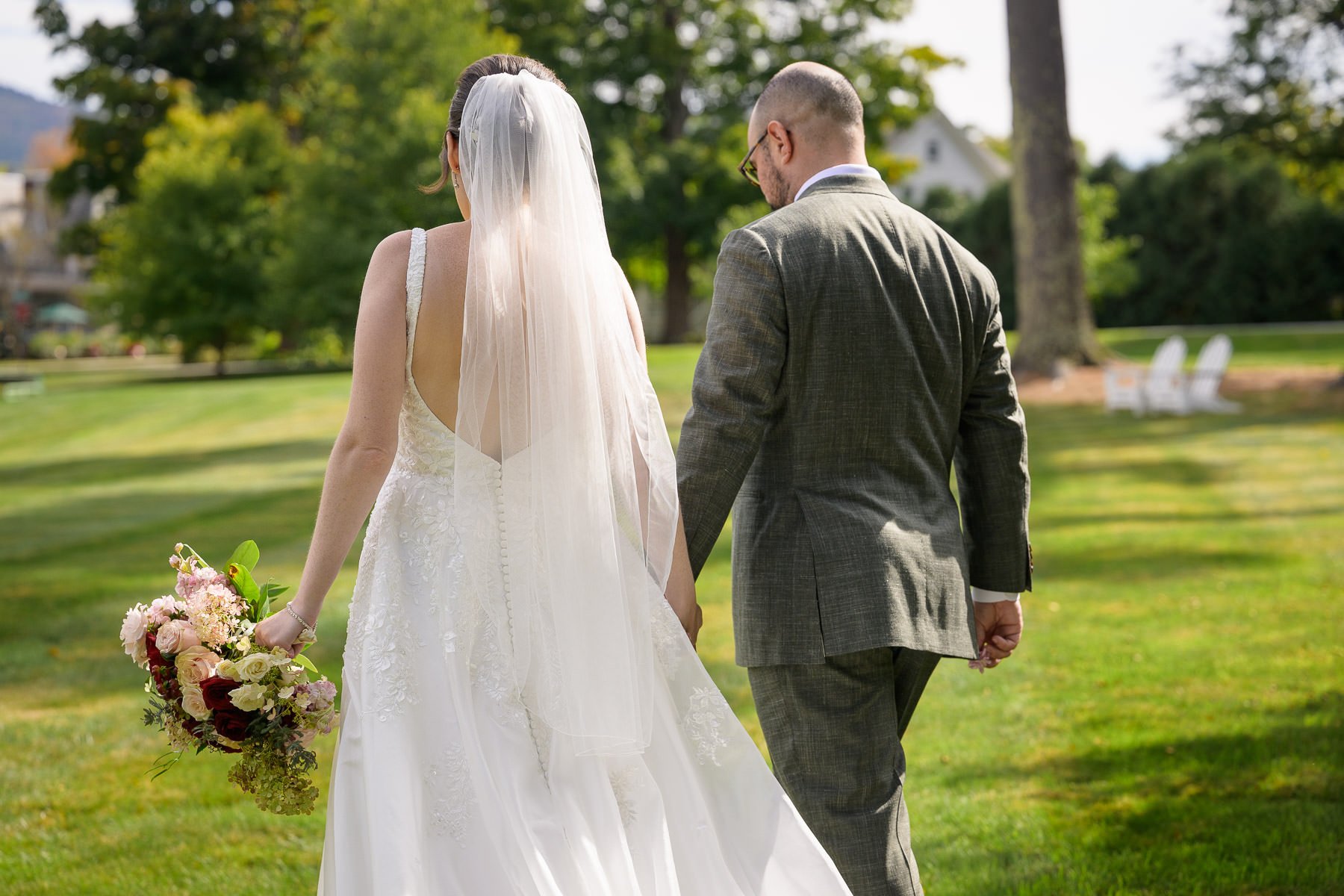
For Chelsea and David, that also included place.
“Manchester meant so much to us as well,” Chelsea said. “Some of these things that we loved, I wanted everyone else to love them.” She talked about the display they set up at the local bookstore and why it mattered: “It was meaningful for us to know like this is where our love had blossomed. I wanted everyone else to see that too.”
That is not personalization for its own sake.
That is a couple saying: this place matters to us, this story matters to us, and we want the people we love to step into it with us.
If you want your wedding to feel meaningful, start there.
Not with what looks impressive.
With what actually represents you.
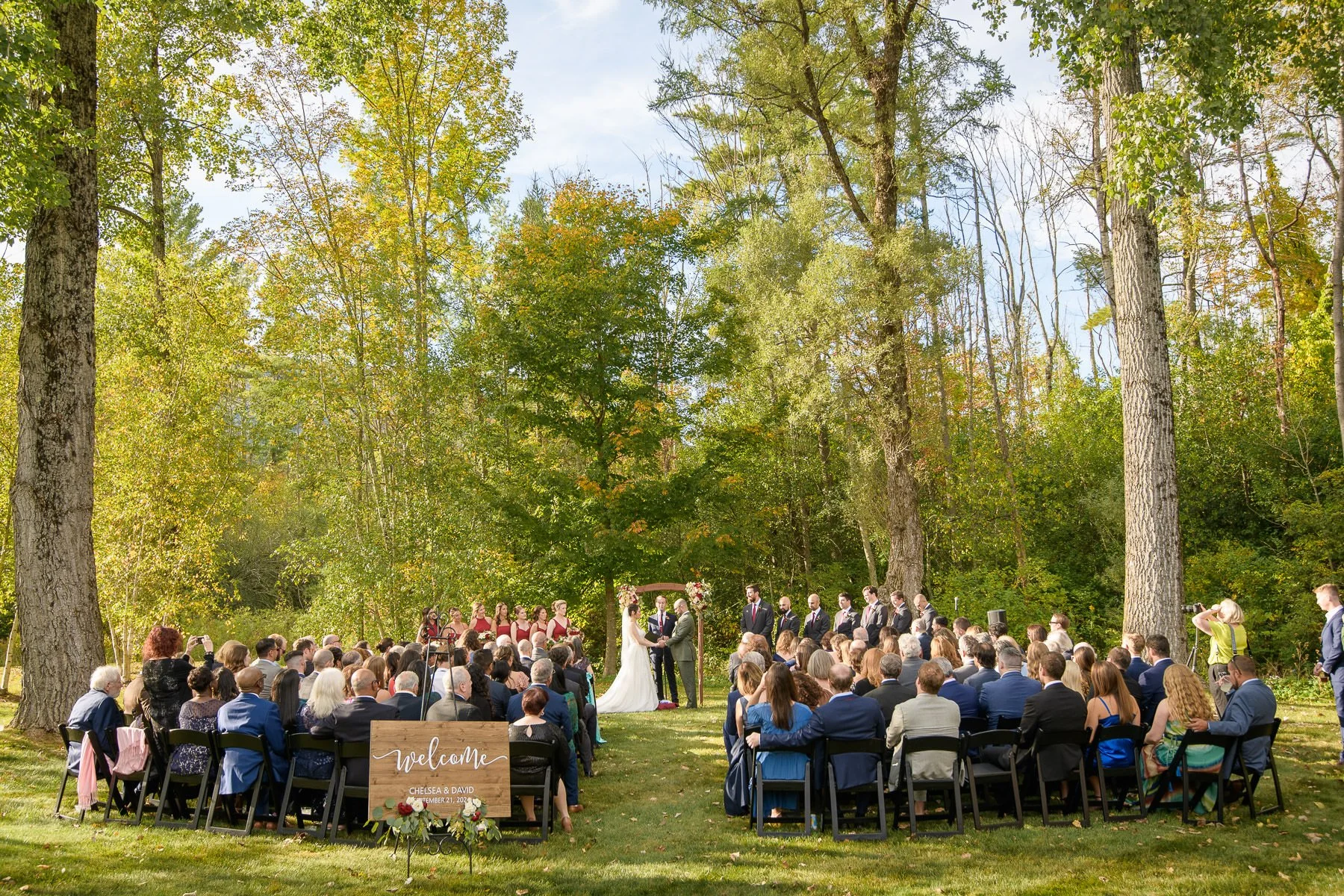
Put effort where it gives something back.
Another strong theme in our chat was effort.
Yes, personalizing a wedding takes work. Yes, good planning takes work. But not all effort pays off equally.
David said it plainly: “There’s a lot of overthinking that goes into wedding planning.” And a lot of that energy gets spent on things that feel huge in the moment but have very little effect on how the day actually feels. In contrast, some effort gives you something real back. As he put it, “Putting effort into a vow, I feel like I got a lot of return on that.”

That is the distinction more couples need.
Some effort is low return.
Some effort is high return.
For Chelsea and David, the high-return effort looked like this:
writing personal vows
choosing a place with meaning
thinking through the flow of the day
building in opportunities to pause
creating an experience that felt welcoming for guests
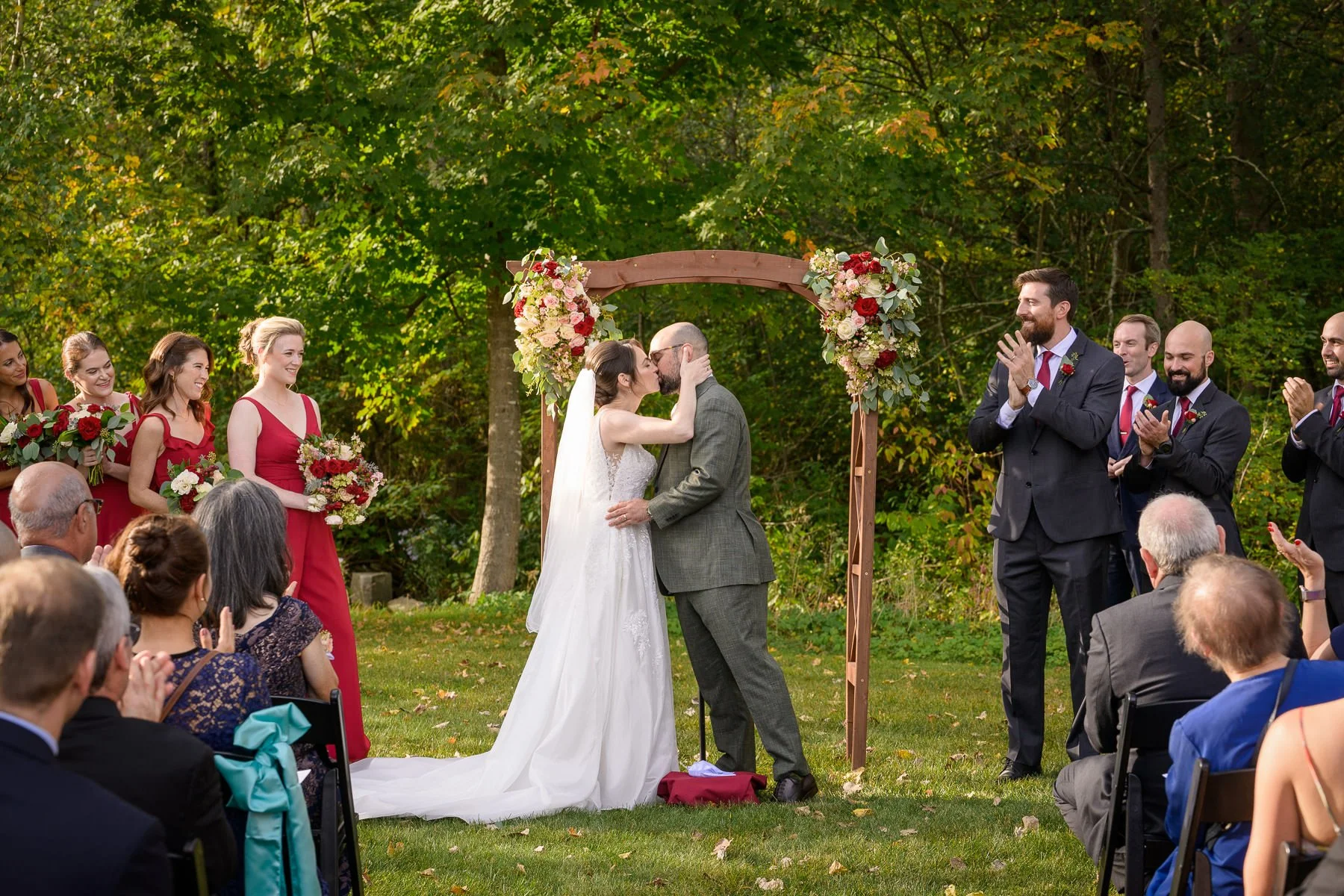
Even their vows had a longer runway than most people would assume. Chelsea said, “We both had started a note on our phone before we got engaged,” and when it came time to write them, “it didn’t feel hard. It was effort, but it didn’t feel hard.”
That is a good planning question to carry through the whole process:
What effort here will actually change how this day feels?
Build in one pause point you can count on.
If there is one practical takeaway I would pull straight from their day, it is this: have one built-in moment where nobody needs anything from you.
For Chelsea and David, that unexpectedly came from the sweetheart table.
Chelsea said, “I didn’t love the idea of the sweetheart table.” Like a lot of couples, he assumed they should spend that time sitting with friends and family instead. But afterward, he completely changed his mind: “Now I look back and I’m so glad we had that.”
Why?
Because it gave them a pause they would not have had otherwise.
She described another version of that same feeling this way: “I had this moment of real happiness because I got to be like a fly on the wall watching all of our friends and family interact.” Then came the realization: “Oh my god, this is so cool. This is our day and we did this.”
That is what a pause point can do.
It does not have to be a sweetheart table. But it does need to be something real.
A few options:
a sweetheart table during dinner
five minutes alone right after the ceremony
a private drink before entering reception
a short walk after speeches
a first look that gives the day a calmer start
The format matters less than the function.
You need one moment where you can stop moving long enough to realize your wedding is actually happening.
A welcome night can take pressure off the wedding day.
This was one of their smartest logistical choices.
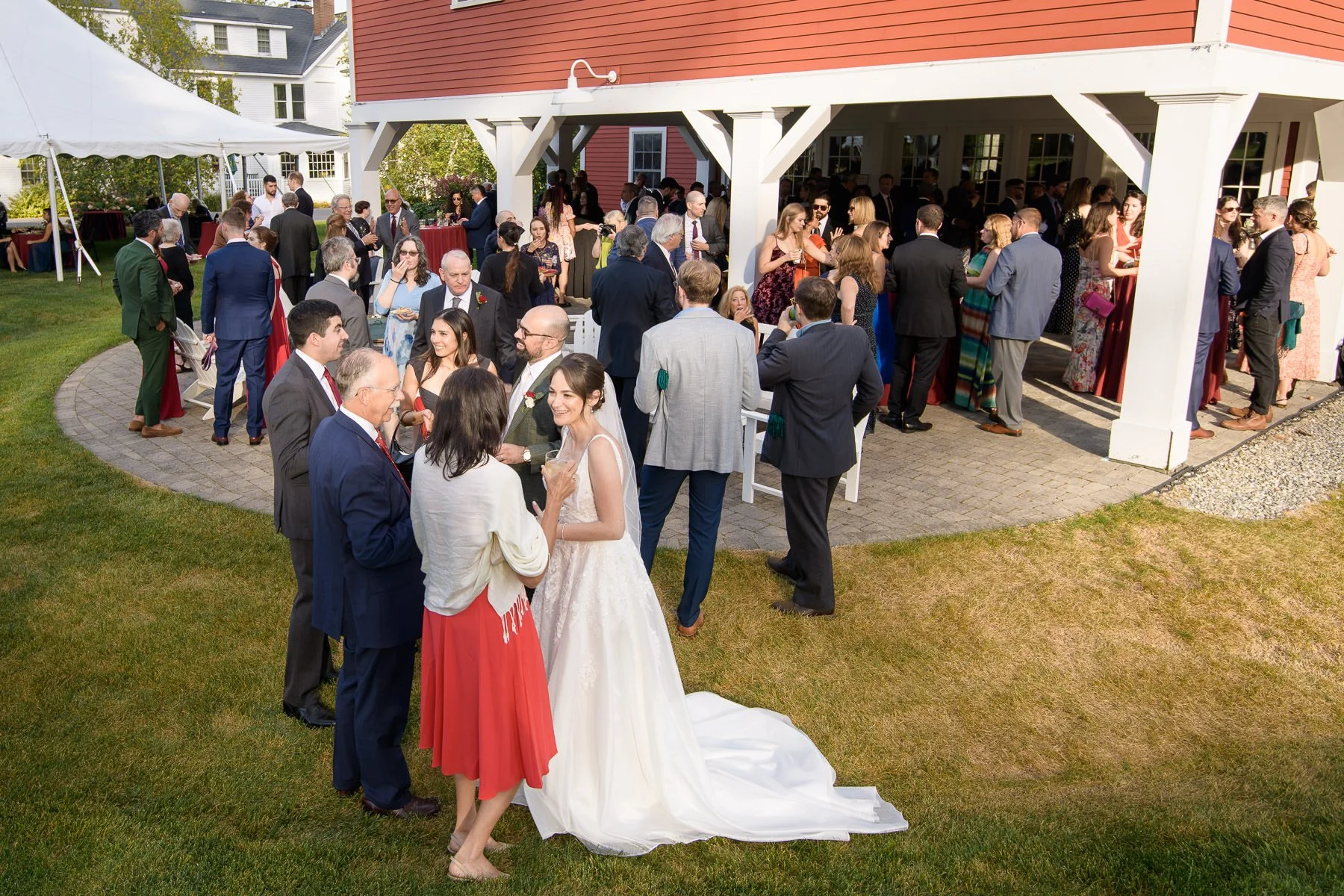
Chelsea said having a chance to see people the night before made a big difference: “We were able to say hello and catch up to some extent the night before.” And because of that, “by the time that our wedding day was there, we could be intentional. We could have those moments.” She added, “I didn’t feel as much pressure to see everyone. So that way David and I could have our day.”
That is huge.
A lot of couples spend the reception doing laps, trying to make sure nobody feels missed. A welcome night does not eliminate that completely, but it reduces the pressure. It lets the wedding day feel less like catch-up and more like an actual experience.
It does not need to be elaborate.
It can just be a casual chance to gather, connect, and take the edge off the next day.
Reception tip: Don’t greet tables until food is on the plate.
“Don’t start greeting tables until food is on the plate.”
That was David’s advice. And the reason was simple: “Because if there’s no food, there’s nothing keeping them in the chair and they just all stand up and your whole timing is thrown off.”
They learned that in real time.
“We learned that at our first and then we came back and sat down. We were like, ‘Oh, shoot. We got to reassess our strategy.’”
It is such a practical point, but it matters because it protects your energy.
Their fix was simple:
wait until guests are served
prioritize family tables first
do not assume you need to hit every table
let the rest of the night unfold more naturally
Chelsea said, “We only prioritized the family tables,” and then added the line a lot of couples need to hear: “Our friends, we’re going to see on the dance floor probably.”
Exactly.
You do not need a formal dinner interaction with every guest.
Great vendors do more than provide a service.
This was one of the strongest parts of the interview.
David said, “A good vendor is like an unexpected support person on the day.” Then he explained why: they are “not just performing the service.” “They are a counsel. They are a pro. They are someone who’s seen a lot more weddings than you have.” And then the line that really sums it up: “A good vendor is worth their weight in gold for that sense of calm they could bring.”
That was not abstract for them.
They felt it.
They said they had total confidence in the team around them, and when something unexpected came up, the team handled it without turning it into the couple’s problem.
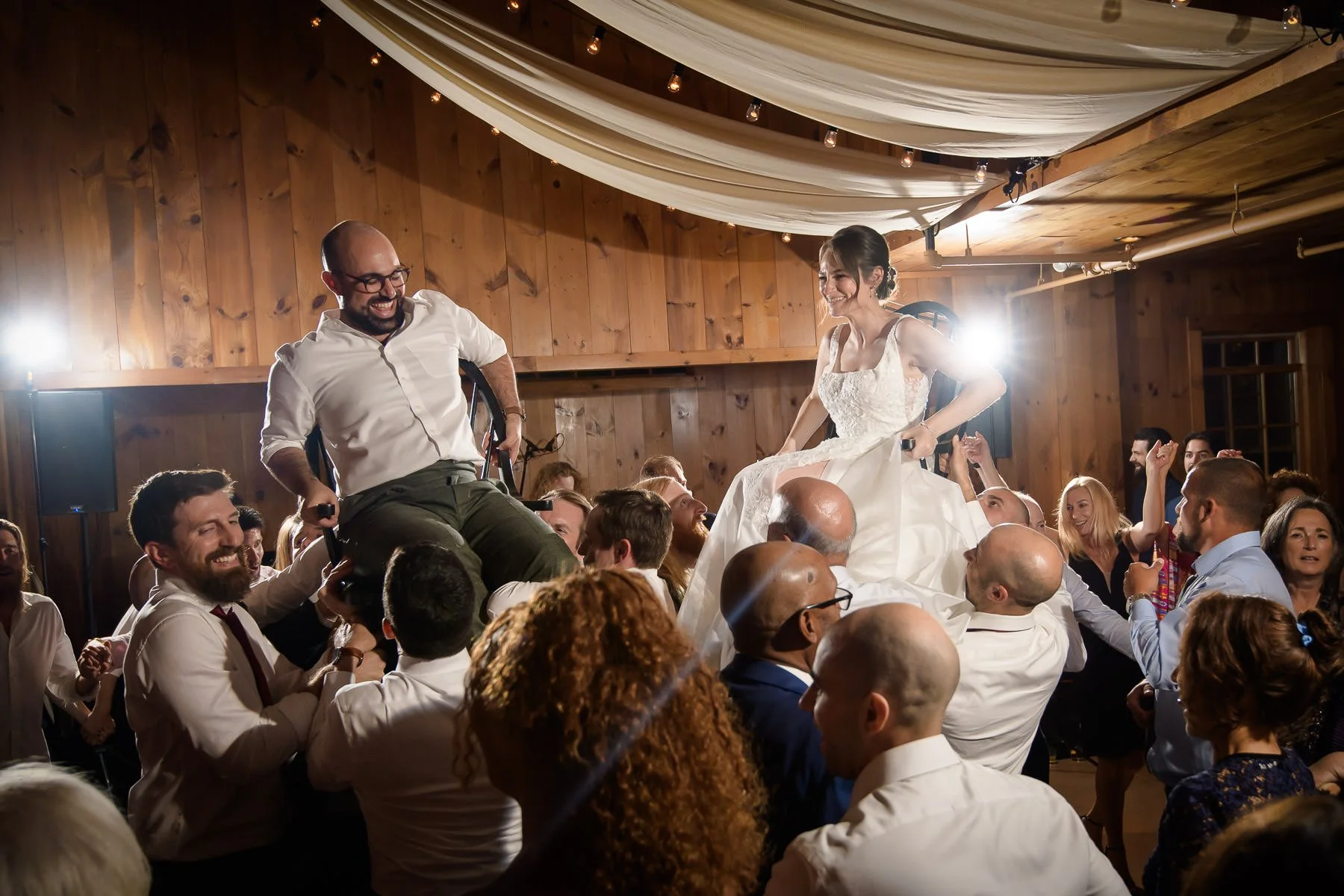
The hora, a traditional Jewish dance where friends lift the couple on chairs, was a perfect example. Chelsea mentioned that they had decided to do the hora, but didn’t think to flag it to the Inn in advance.
And instead of it becoming a scramble (or a “not possible” moment), the Inn team just handled it. They knew you can’t do a hora on a random chair (you need sturdy chairs with handles) and they got the right ones out fast.
“They got the chairs in time,” Chelsea said. “It rolled off their back.” And that mattered because in the moment, she was nervous: “Talk about being nervous. I was nervous for that… like I’m going to be thrown in the air.”
That’s what experience looks like: the couple gets to feel the moment, and the vendor absorbs the logistics.
That is what experience looks like in real life.
Not perfection.
Steadiness.
Not handing the stress back to the couple.
Leave room for the little moments that become the big ones.
One of the most interesting parts of the conversation was hearing what they actually remembered.
Not just the “major moments” on paper. The feeling of the day.
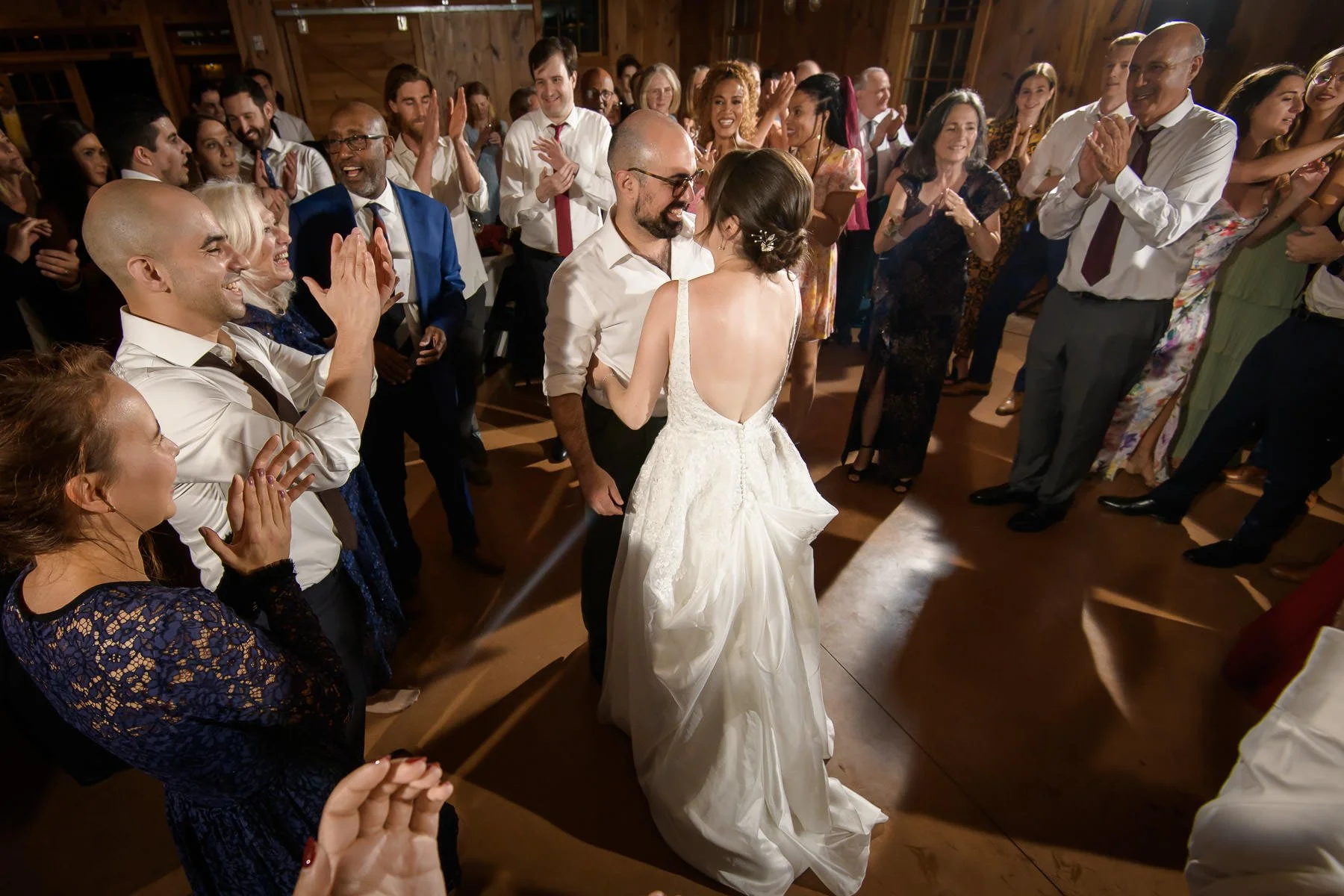
David said, “What lingers in the end is sort of these fragments of memories and these highlights.” And one of the things that came back most strongly was being on the dance floor, “standing on the dance floor looking up at the lights being like, I have to take this feeling in.” Then he described that feeling: “Warmth and happiness and laughter knowing that just out of frame everyone we love is around us.”
That is a good reminder for planning.
You can absolutely overfill a wedding day.
You can make it so packed, so optimized, and so efficient that there is no room for the small moments that end up mattering most.
The answer is not to under-plan.
It is to leave enough margin that something real can still land.
The place mattered too.
One thing I would not want to miss in their story is that the wedding did not just happen in Vermont. It happened in a place that already meant something to them.
They started there. That mattered emotionally, and it also helped simplify the search.
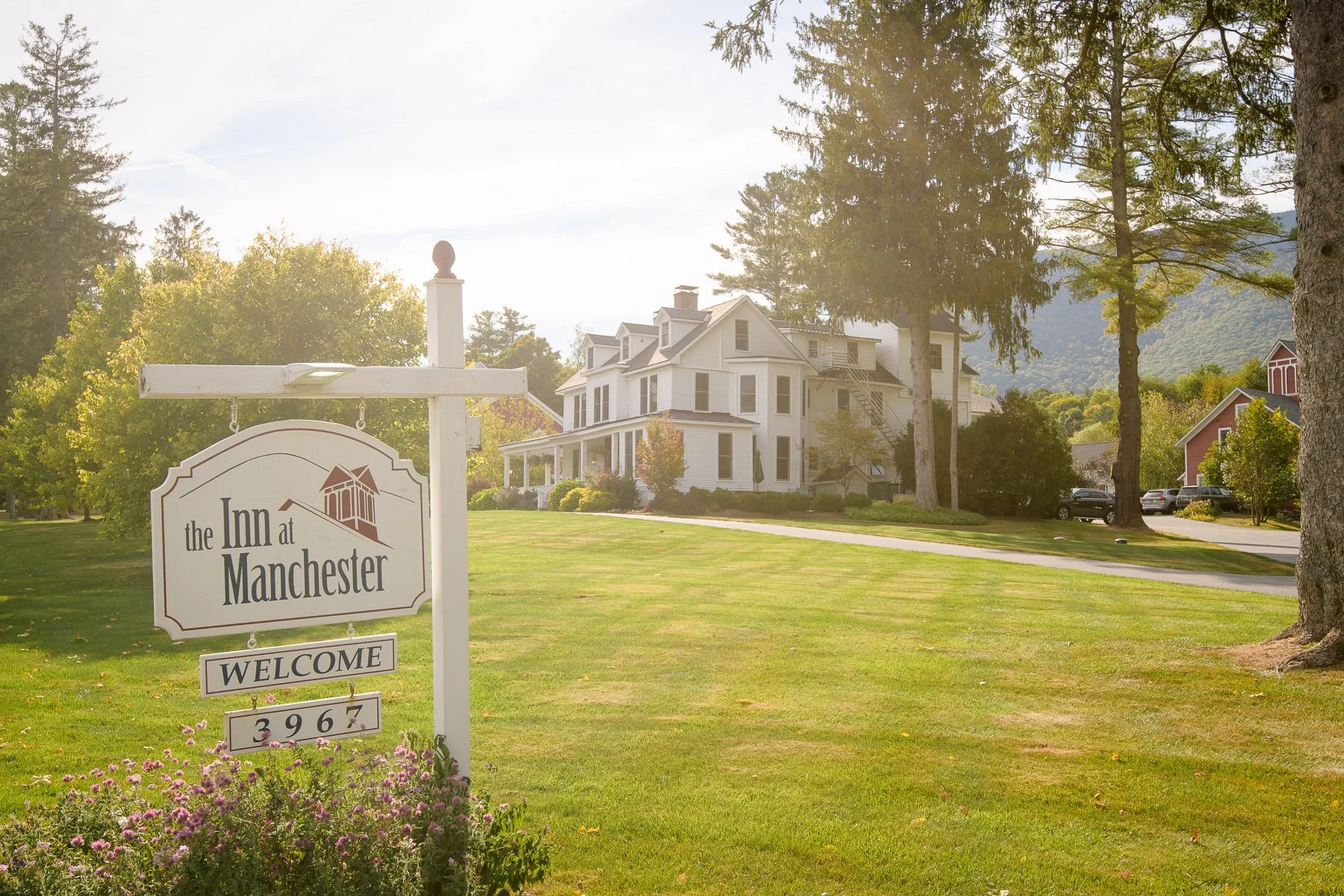
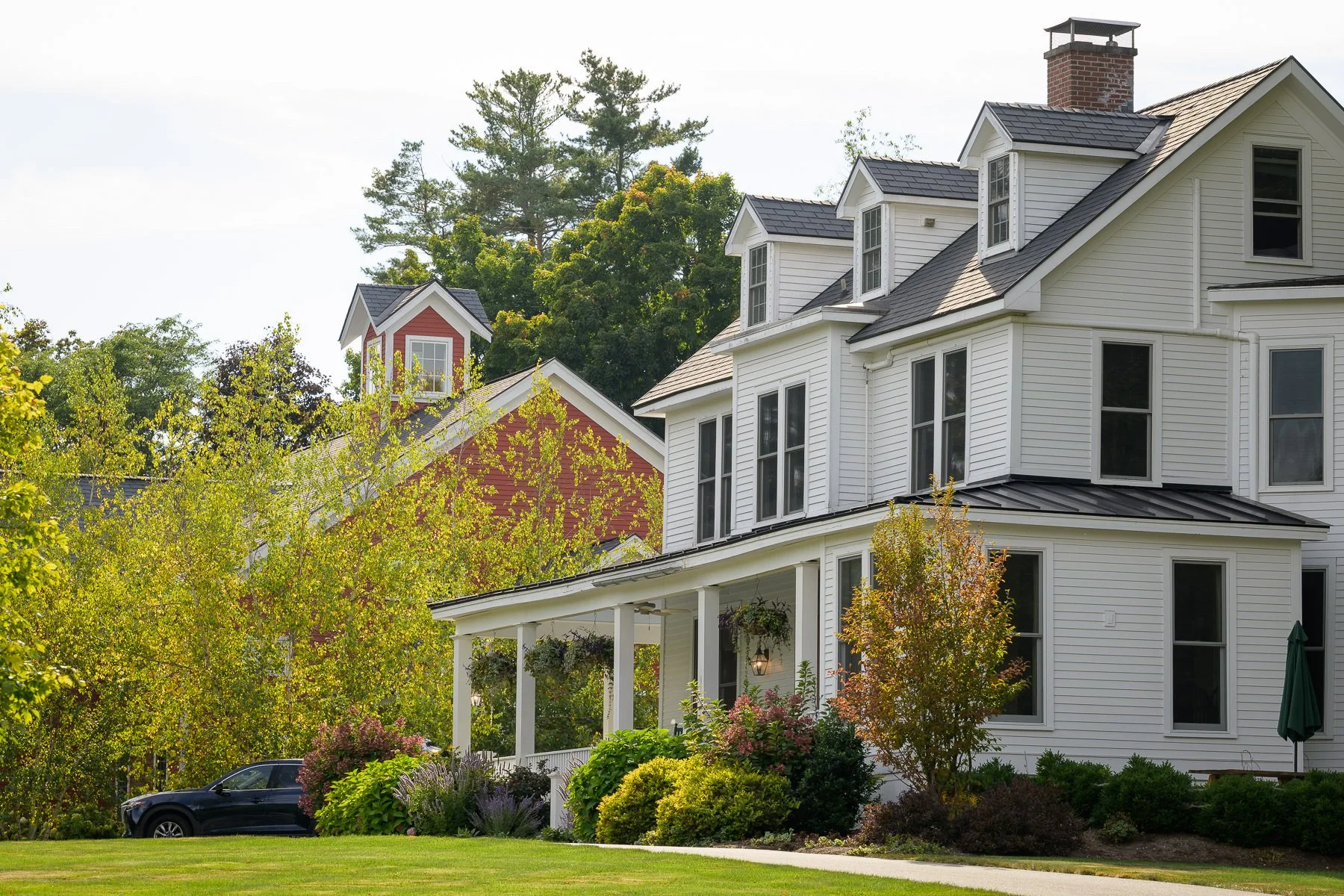
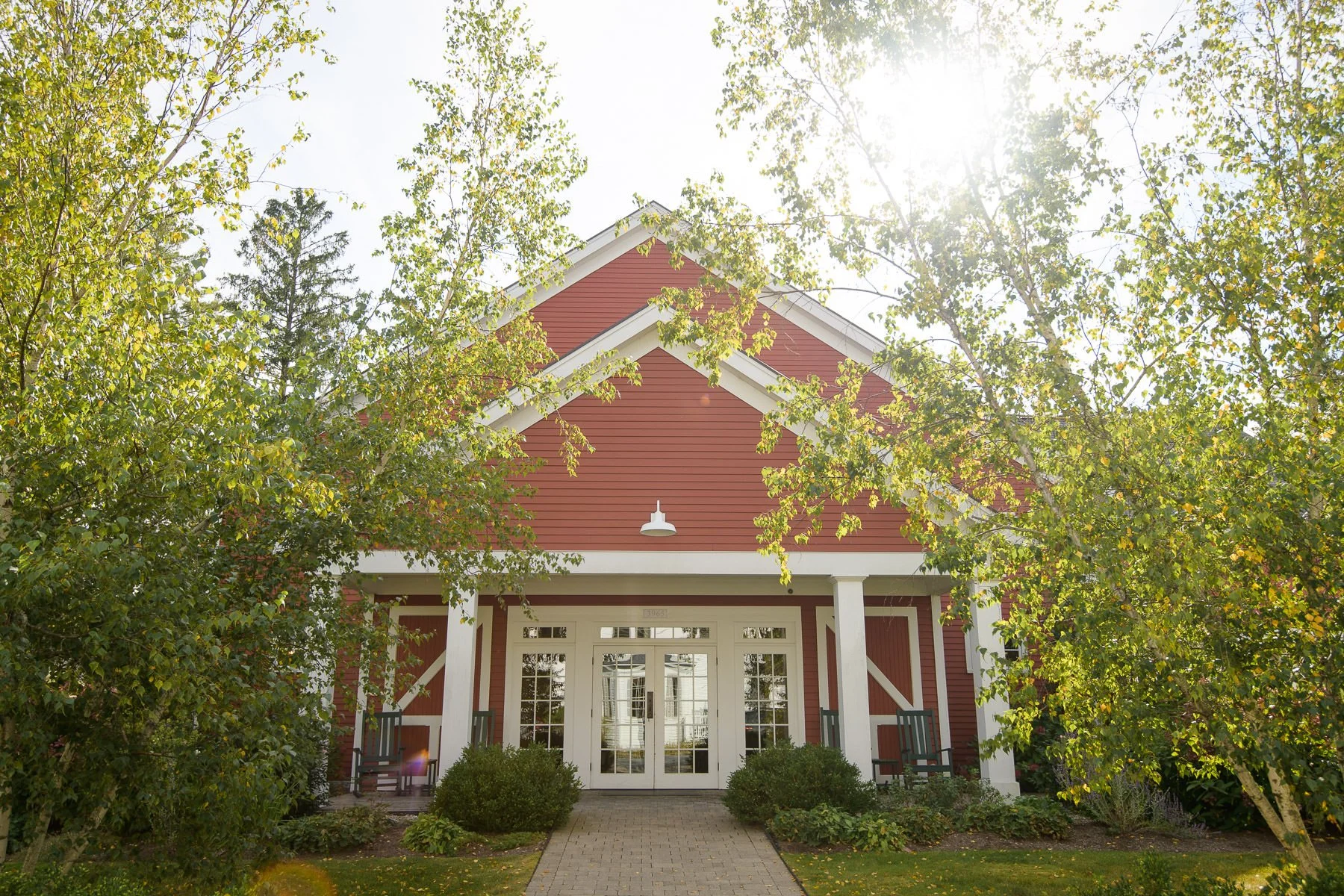
As they described it, once they knew they wanted to get married in a region that meant something to them, the rest of the decision-making got clearer. And when they found the Inn at Manchester, it was not just the barn or the setting. It was also how it felt. They remembered how warm and welcoming the team was before they had even put down a deposit.
That is a smart way to plan.
Start with meaning.
Then make decisions from there.
Final thought
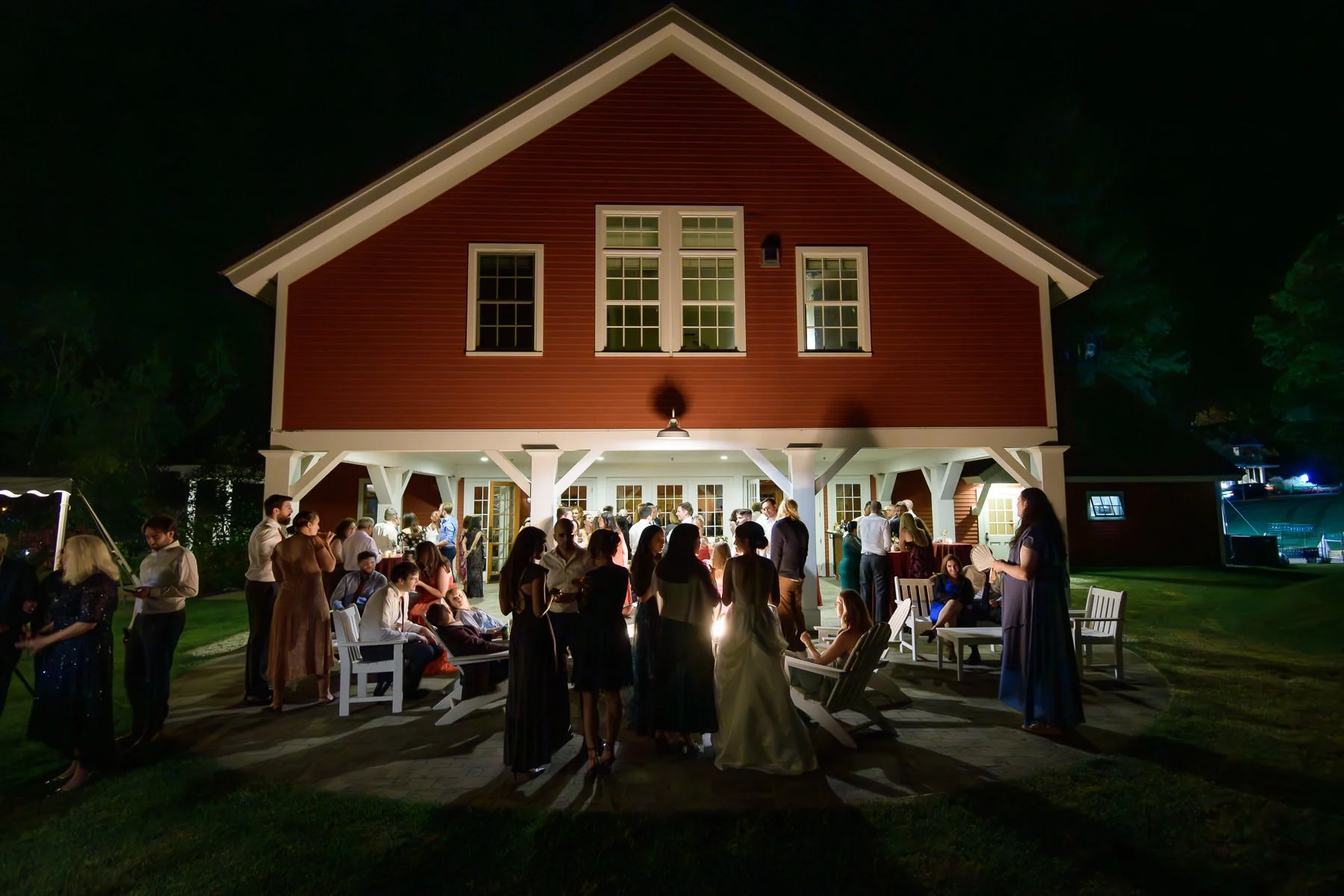
When Chelsea and David looked back on their wedding, what stood out most was not a generic idea of a perfect day.
It was the feeling of being there.
The sweetheart table moment.
The dance floor.
The vows.
The first look.
The sense that Manchester mattered.
The fact that the people around them were part of something that actually reflected who they were.
As Chelsea put it, “It was the ceremony. It was our vows and it was personalizing the day for us.”
That is the takeaway.
A meaningful wedding is not built by making every decision feel equally important.
It comes from knowing what is worth your energy, building a day that reflects who you are, and protecting enough space to feel it while it is happening.
If you want a timeline that’s calm, realistic, and built around what you actually care about, reach out here.
Vendor Team
Venue: The Inn at Manchester
Photography: Illume Studio
Catering: Haystack Catering
Florist: Nancy Bishop Floral Design
Hair: Michelle Ann Hair Design
Makeup: Emily Tobi MUA
Music/Entertainment: Silver Arrow Band
Rentals: Rain or Shine Tent
Bakery: Dorset Bakery
Transportation: Dufour Tours
Get the Journal Dispatch
Occasional notes on meaningful photography, intentional weddings, and planning tips delivered straight to your inbox. No fluff, no spam, just thoughtful inspiration when you need it.