You Do Not Need to Perform for Your Wedding Photos
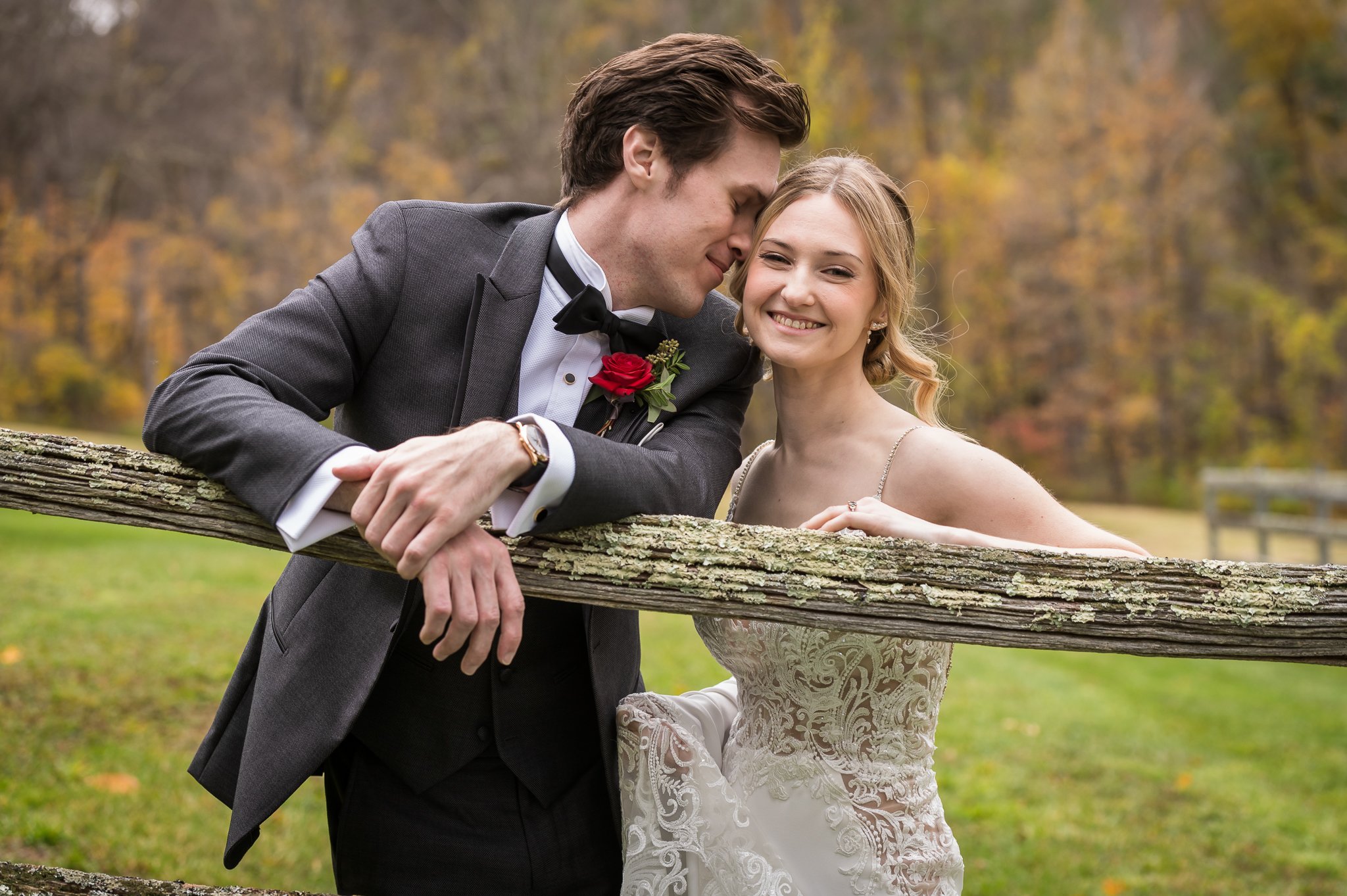
Almost every couple tells me some version of the same thing before their wedding.
We’re awkward in photos.
We’re not photogenic.
We don’t know what to do.
Usually, that does not mean they hate having their picture taken. It means they are worried portrait time will feel stiff, exposed, or overly managed.
That fear makes sense.
Most people have never been photographed in a way that actually feels good.
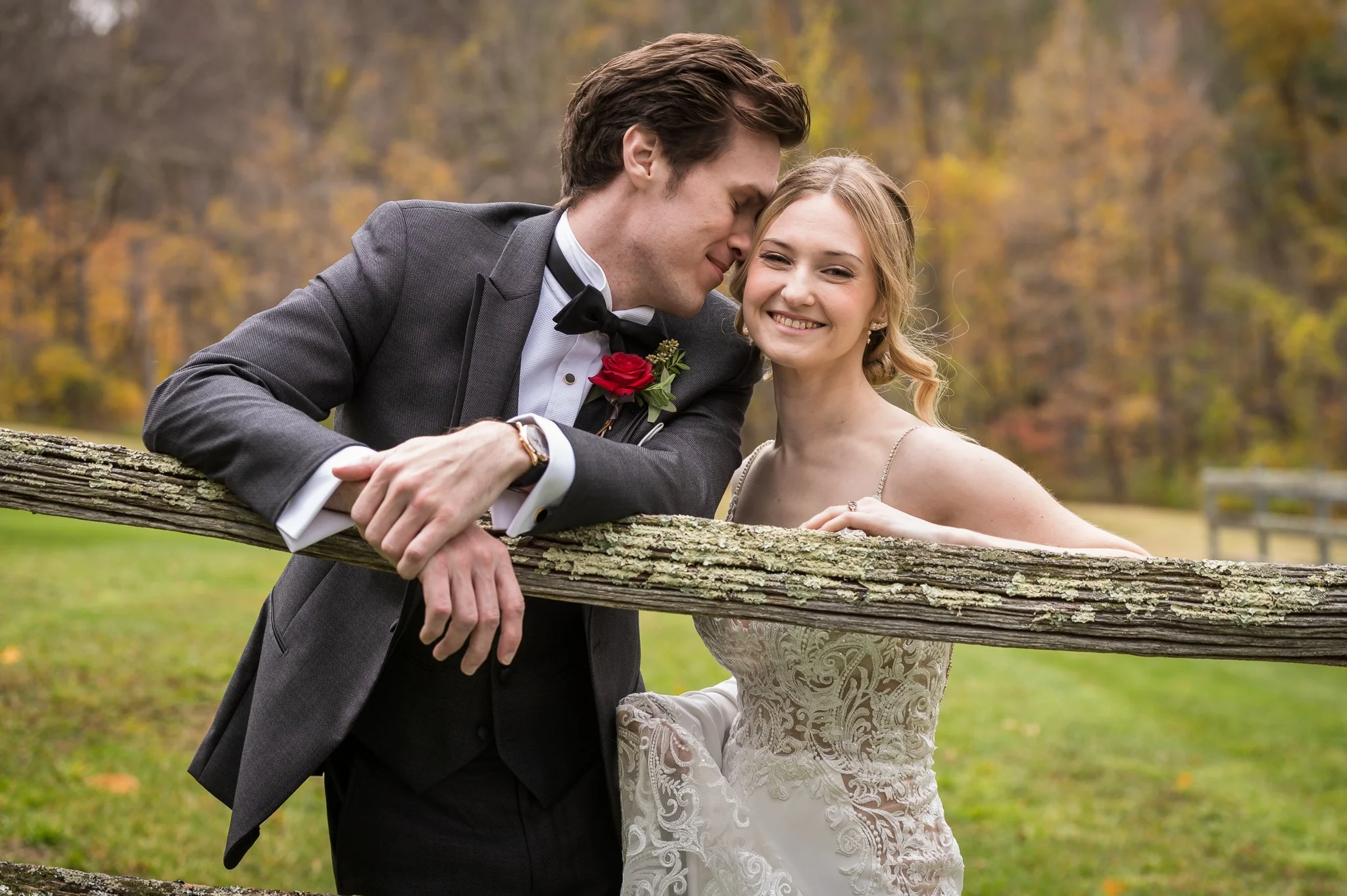
What I want you to know is this: you do not need to perform for your wedding photos. You do not need to arrive knowing how to pose, what to do with your hands, or how to look natural on command.
You need a photographer who can help you stop thinking about the camera in the first place.
Why couples feel awkward in photos
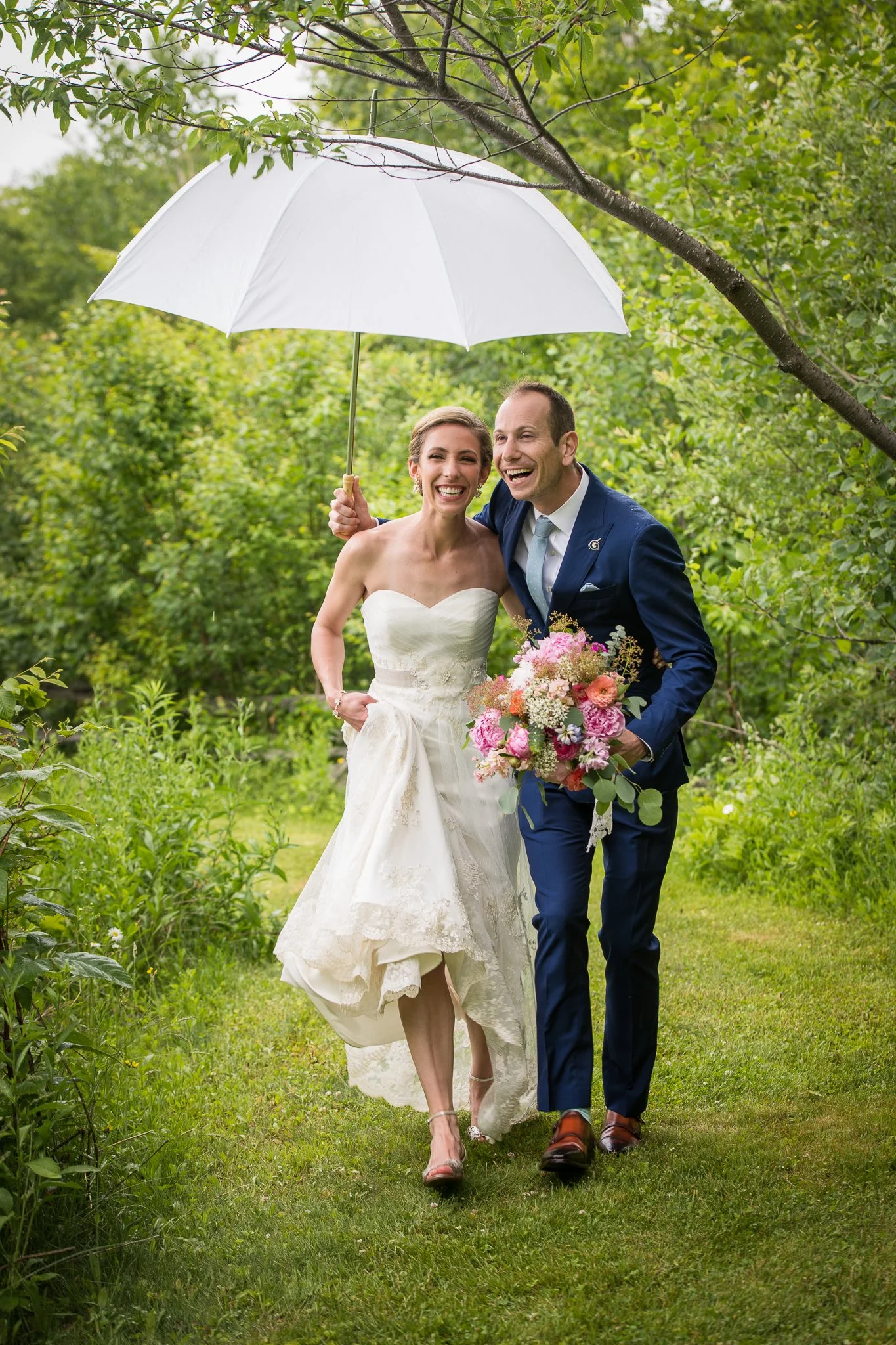
Most awkward photo experiences come from one of two extremes.
The first is too much direction too fast.
This is the version where a photographer starts posing you immediately, adjusts every part of your body, and keeps stacking instruction on top of instruction. Most people do not relax under that kind of pressure. They get more aware of themselves with every correction. Once that happens, they stop interacting naturally and start trying to look relaxed instead.
The second is no direction at all.
This sounds better on paper, especially if you are drawn to documentary photography. But in practice, it often leaves people standing there wondering what is happening, whether they look okay, and what they are supposed to do next. When there is no starting point, most people fill that silence by getting in their own heads.
Both approaches create the same problem.
You stop being with each other and start managing yourself for the camera.
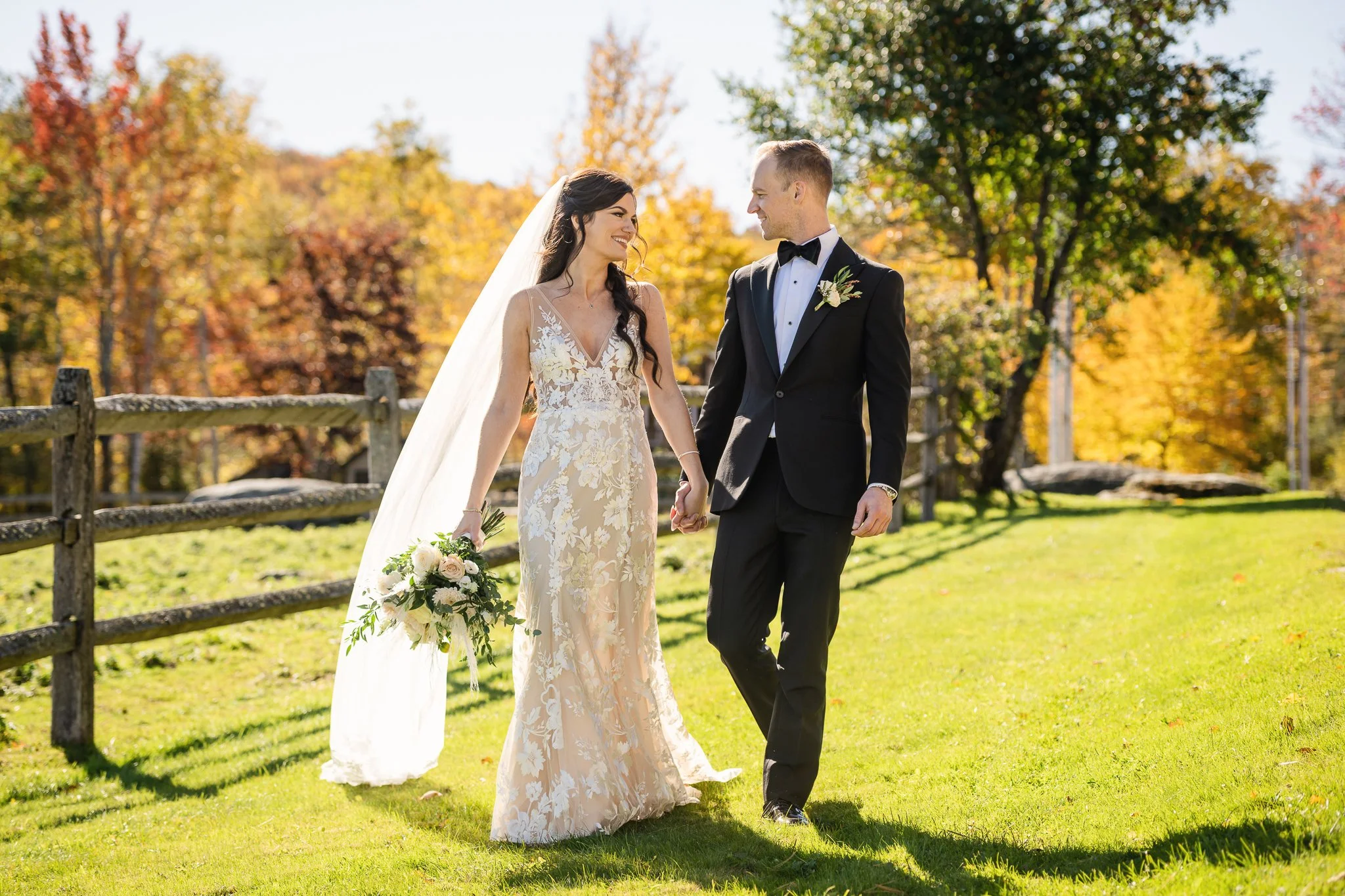
Documentary-first does not mean hands-off
When I say I am documentary-first, I do not mean I leave you alone and hope for the best.
I mean the day stays real.
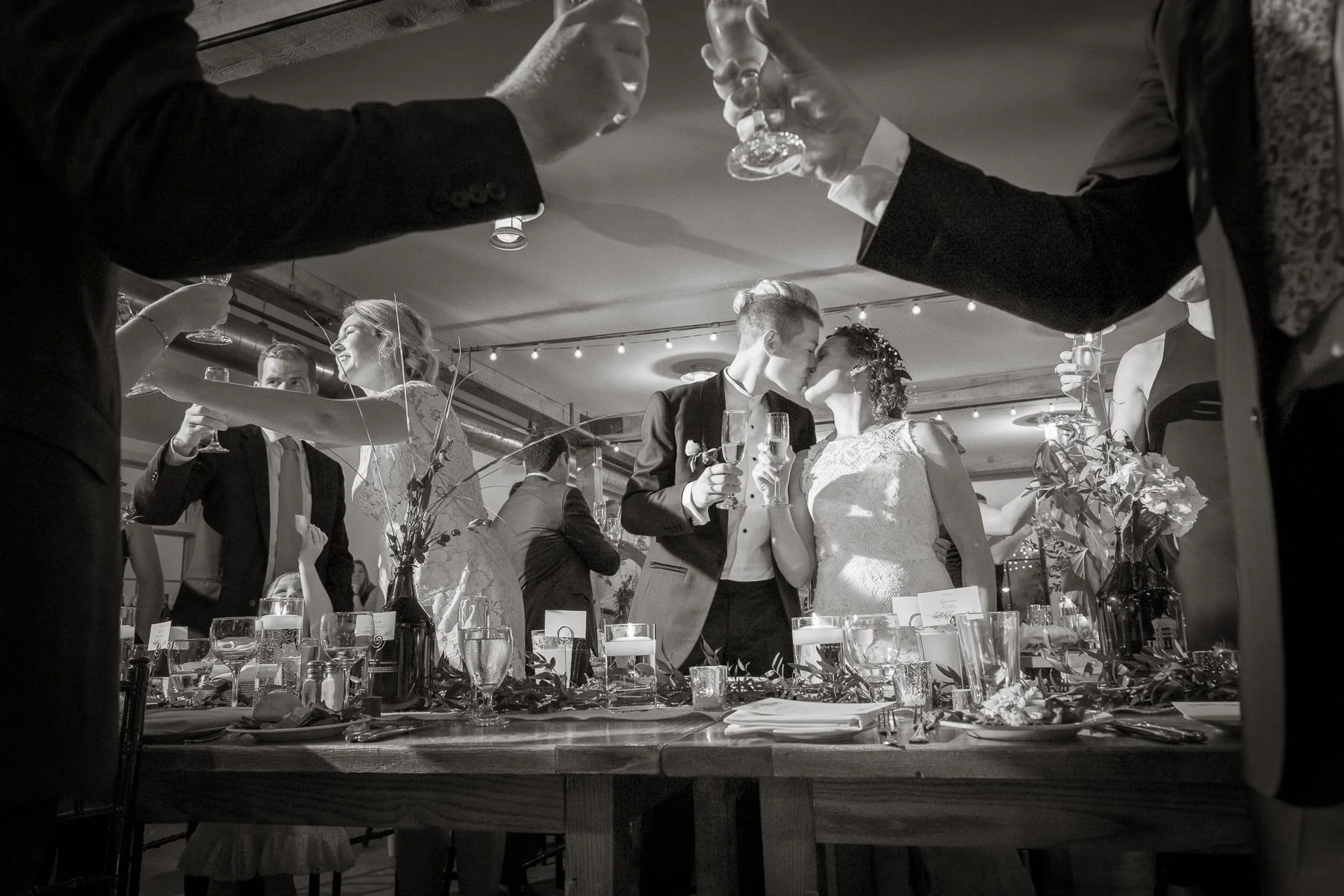
I am not there to turn your wedding into a content shoot or interrupt moments that are already happening well. If something is honest and already working, I want to preserve it, not control it.
But portrait time usually needs a little help at the beginning. Not because you are doing anything wrong. Just because most people need a way into it.
That is where direction comes in.
Not heavy posing. Not constant correction. Just enough guidance to remove the pressure and get you out of your head.
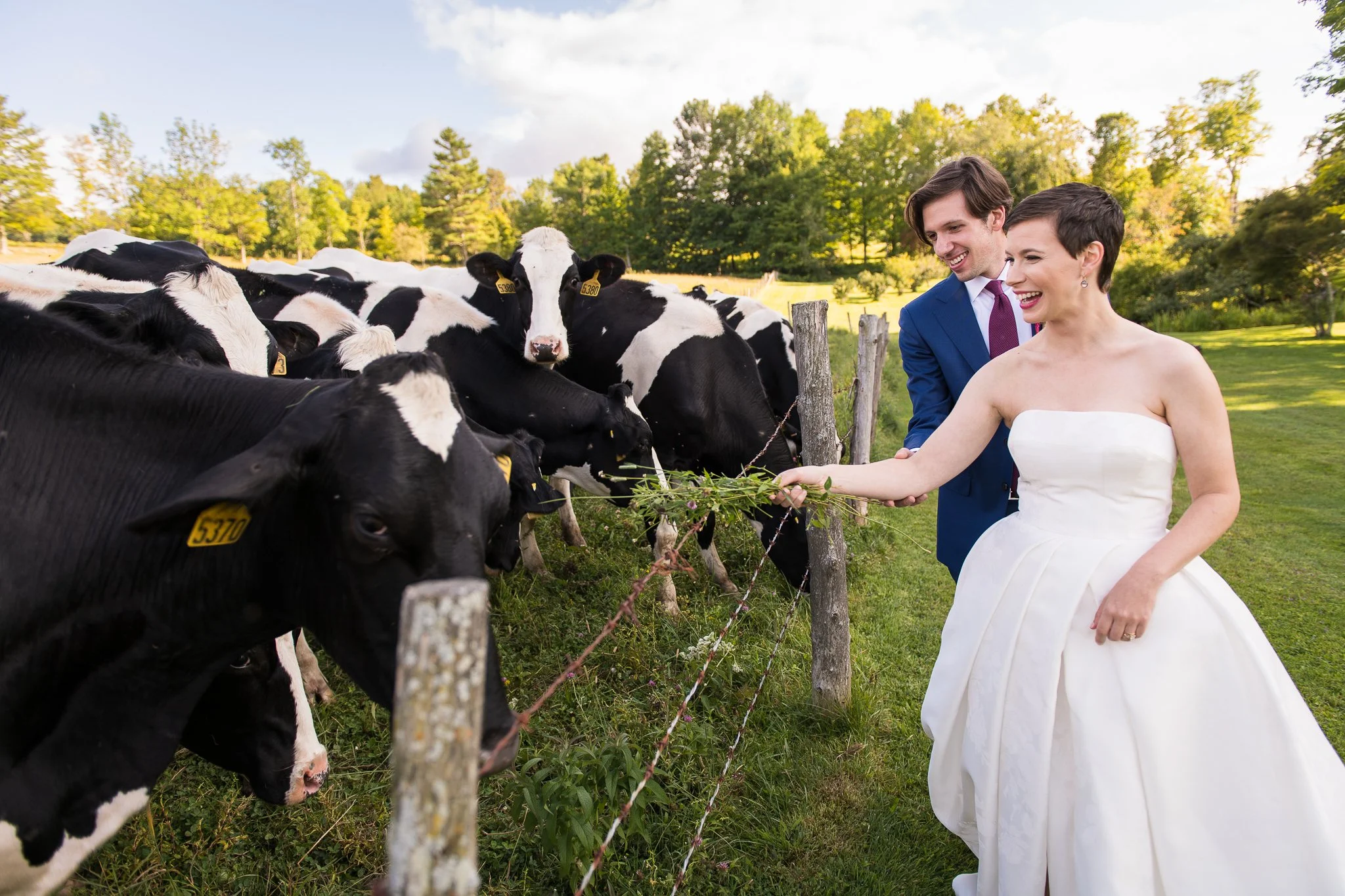
What helpful direction actually does
Good direction is not really about telling you how to look.
It is about giving you something simple to do so you can stop wondering what you are supposed to be doing.
Usually that means starting with movement. Walking. Turning toward each other. Talking. Shifting from one spot to another. Nothing complicated.
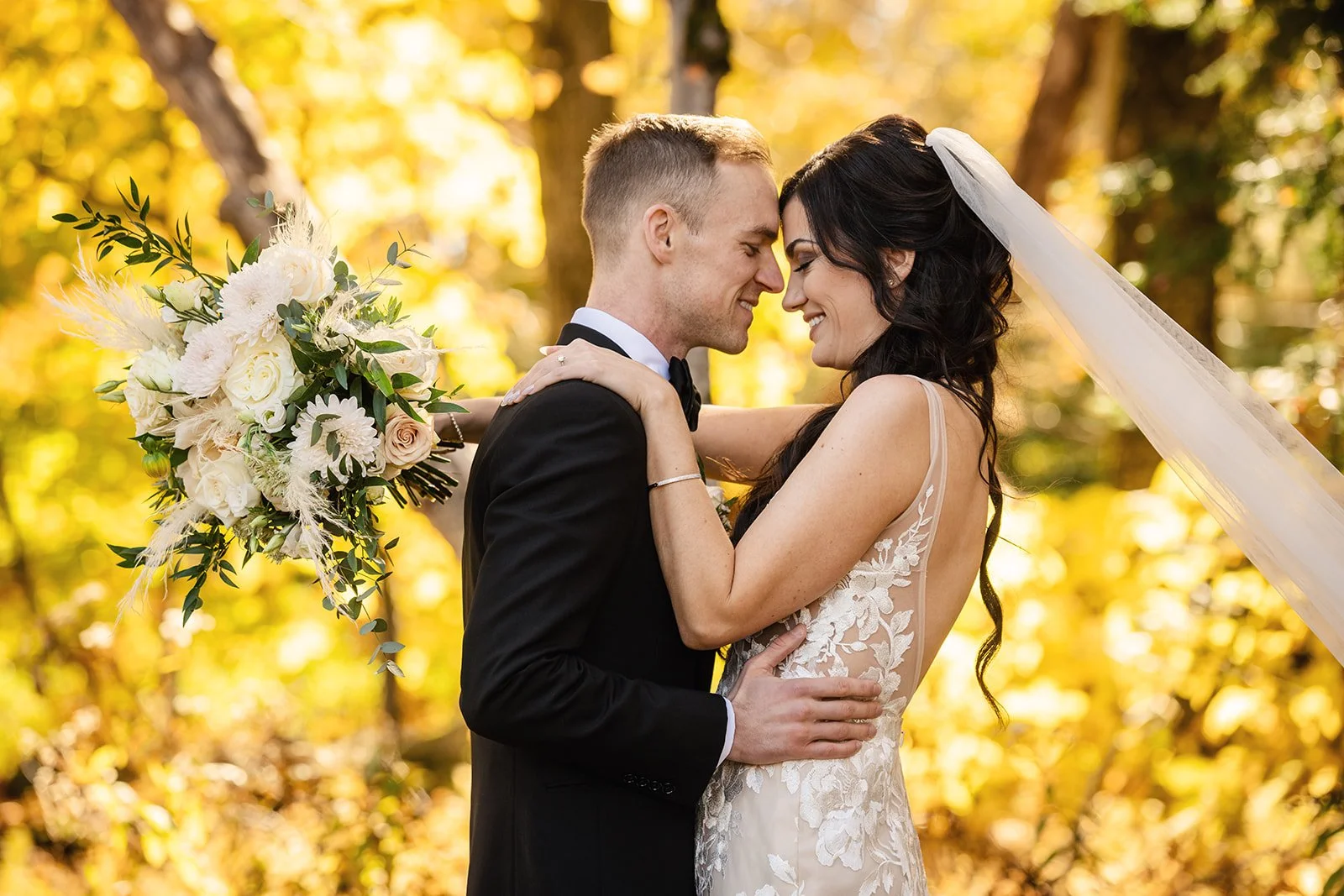
That kind of direction works because it gives you a starting point. It keeps things moving. It puts your attention back on each other instead of on your face, your hands, or whether the camera is catching you at a weird angle.
From there, I can make small adjustments if they help. But the goal is never to make you feel posed into perfection. The goal is to help you settle in enough that the photos start feeling like you.
How I know when to step in and when to back off
This is the real skill in portrait time.
It is not having one perfect formula. It is paying attention.
Some couples loosen up fast. Some take a few minutes. Some get more comfortable when they are moving. Some need a little more structure at first. Some are doing great until the moment they become aware of the camera again.
My job is to notice that.
If the two of you are interacting naturally and things feel easy, I back off. I do not need to interrupt something that is already working.
If things start to feel stiff, too self-aware, or a little flat, I step in and change something. Sometimes that means shifting locations. Sometimes it means giving you a new action. Sometimes it just means keeping things moving so you do not get stuck in your head.
What I want couples to feel is taken care of.
Not managed. Not judged. Taken care of.
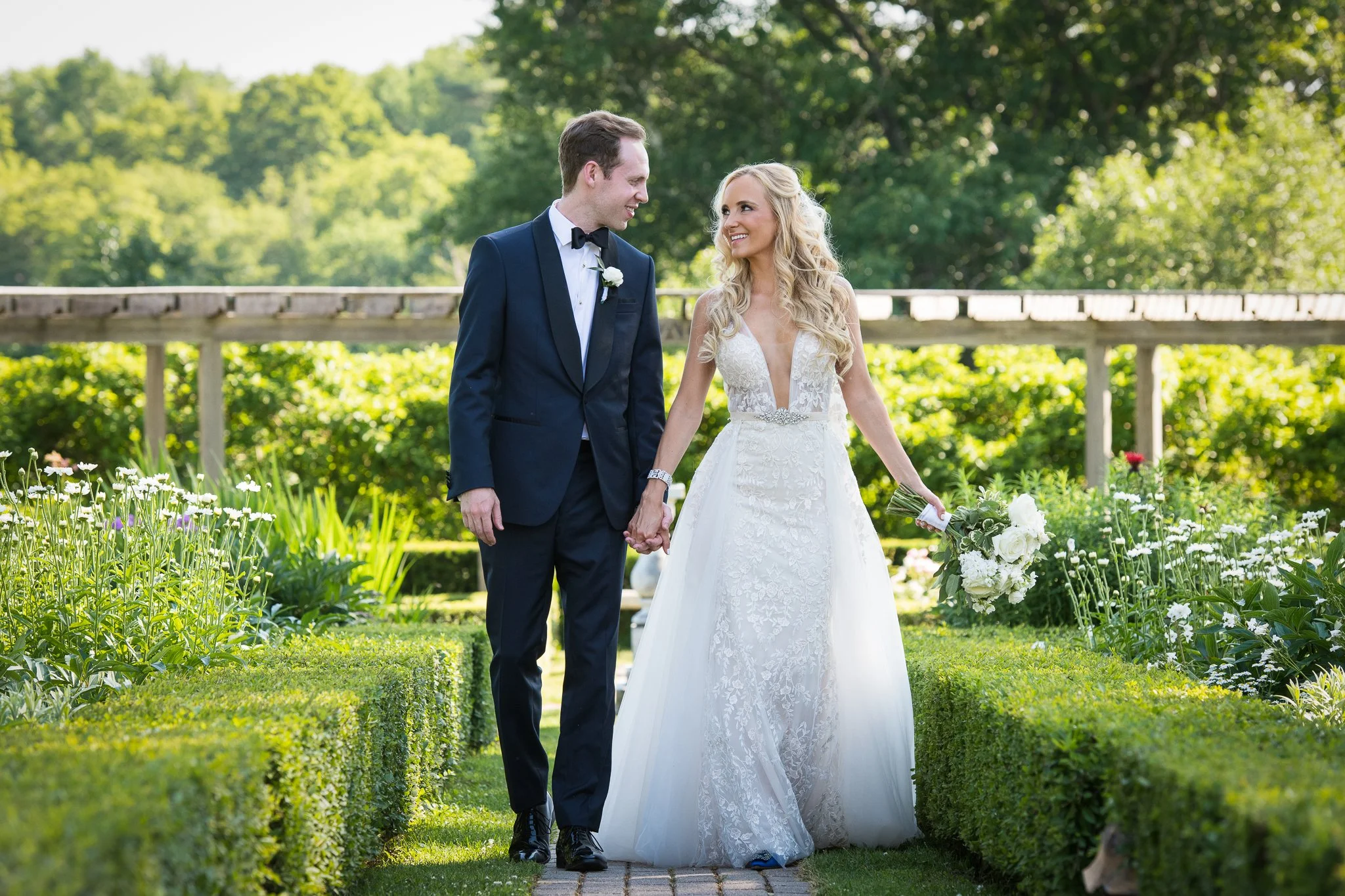
Where I step in more directly
There are parts of a wedding day where clear direction is actually helpful.
Family photos are the clearest example. That is not the time for ambiguity. People need to know where to stand, where to look, and when they are done. Clear direction there saves time and reduces stress for everyone.
I will also step in quickly when the light is better somewhere else, or when a small location change will make things easier. Sometimes the best move is just shifting a few feet toward better light or moving to a quieter spot where you can breathe for a second.
And if a moment is stalling because no one knows what to do next, I will fix that too.
Not by overcomplicating it. Just by giving it a little shape so it can start feeling natural again.
What makes portraits easier before the wedding
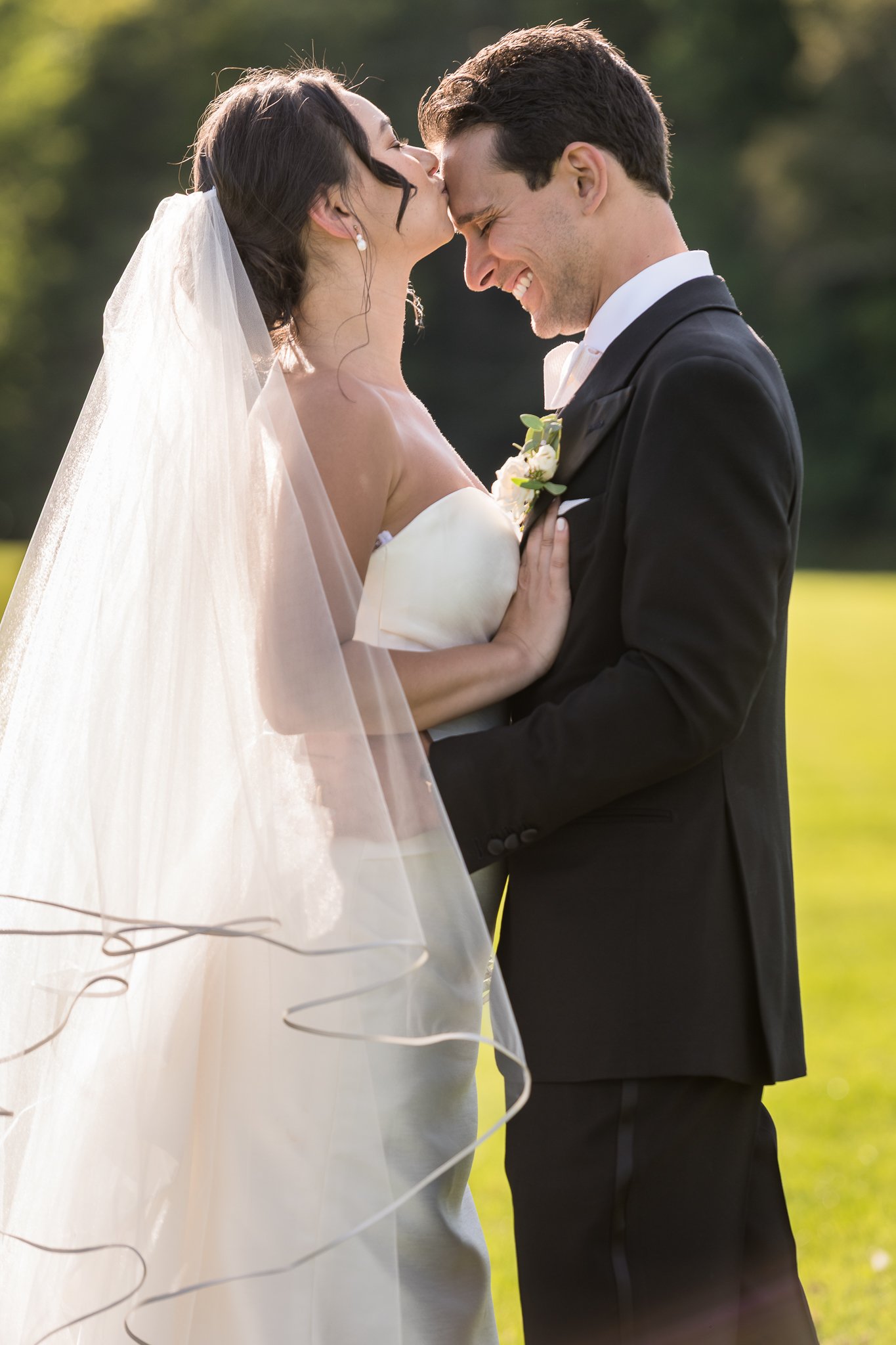
A lot of this gets easier before the wedding day even starts.
An engagement session can help a lot, not because you need practice performing, but because it removes the mystery. You get to experience what being photographed by me actually feels like. I get to see how you interact. By the time the wedding arrives, there is already some familiarity.
It also helps when couples share a few photos of themselves they already like. Not because I am going to copy them shot for shot, but because it tells me something about what feels natural to you.
And timeline matters more than most people realize.
Portraits are harder when they are rushed. Not because you suddenly become less photogenic, but because there is no breathing room. When we build enough space into the day, you show up differently. That changes everything.
The part that matters later
This is the part I care about most.
People tend to think of photos as purely visual. Either the image looks good or it does not.
But the experience of making the photo matters too.
If a portrait was made while you felt tense, overly directed, or disconnected from each other, that feeling becomes part of the memory.
If a portrait was made while you were actually enjoying a quiet minute together, that ease lives in the image too.
That is why I care so much about how this part of the day feels.
The goal is not just to create photos that look good. It is to create space for photos that still feel like your life when you come back to them later.
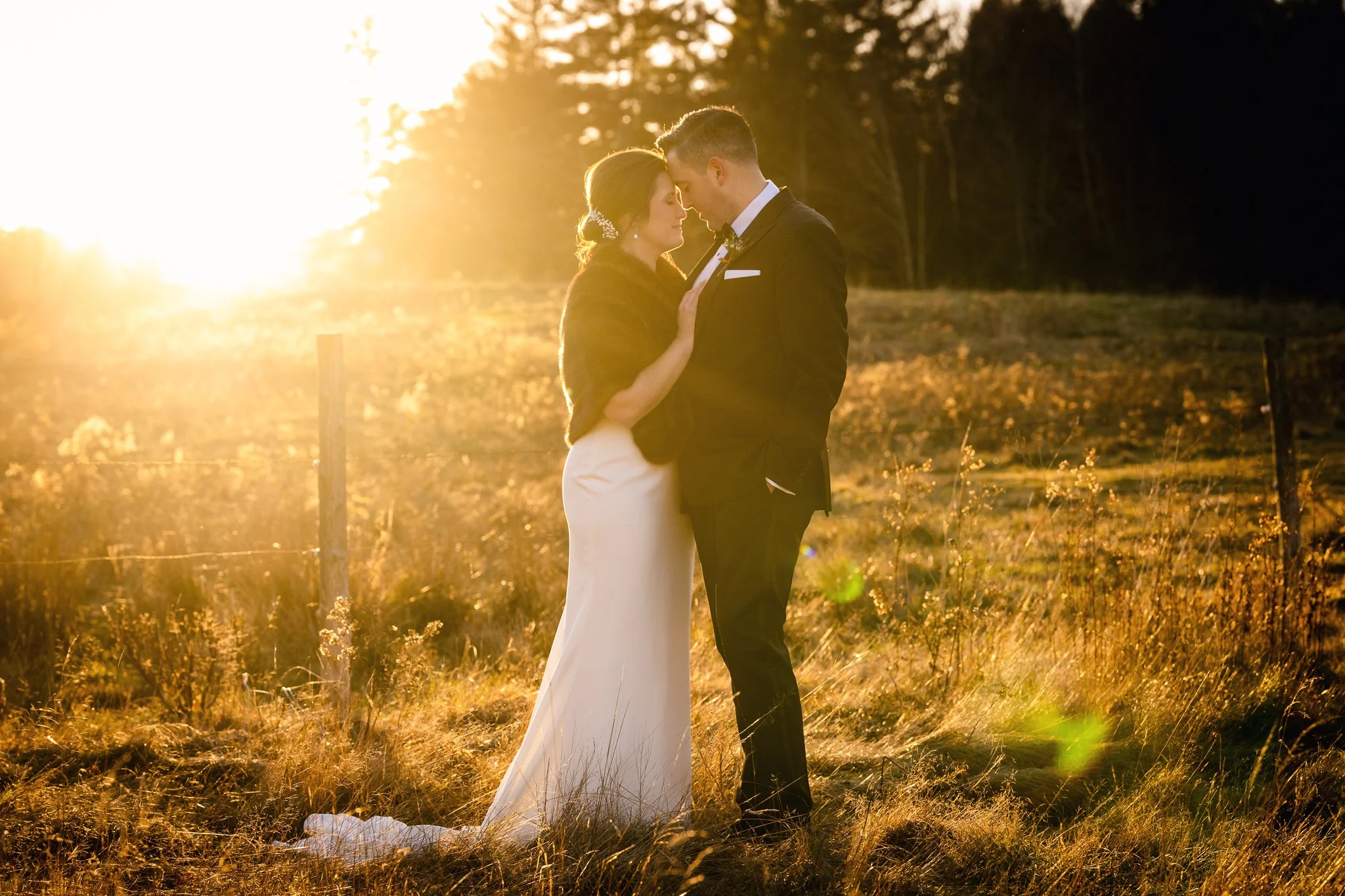
You do not need to know how to do this
Feeling awkward at first is normal.
Most people have never been photographed in a way that actually feels good.
You do not need to show up already knowing how to be effortless in front of a camera.
You need a photographer who knows when to guide, when to simplify, and when to get out of the way.
That is the difference between portraits that feel like a task and portraits that feel like part of the day.
If you want photos that feel natural but still want clear guidance, we might be a good fit.
Get the Journal Dispatch
Occasional notes on meaningful photography, intentional weddings, and planning tips delivered straight to your inbox. No fluff, no spam, just thoughtful inspiration when you need it.