How to Choose a Wedding Photographer Beyond the Portfolio
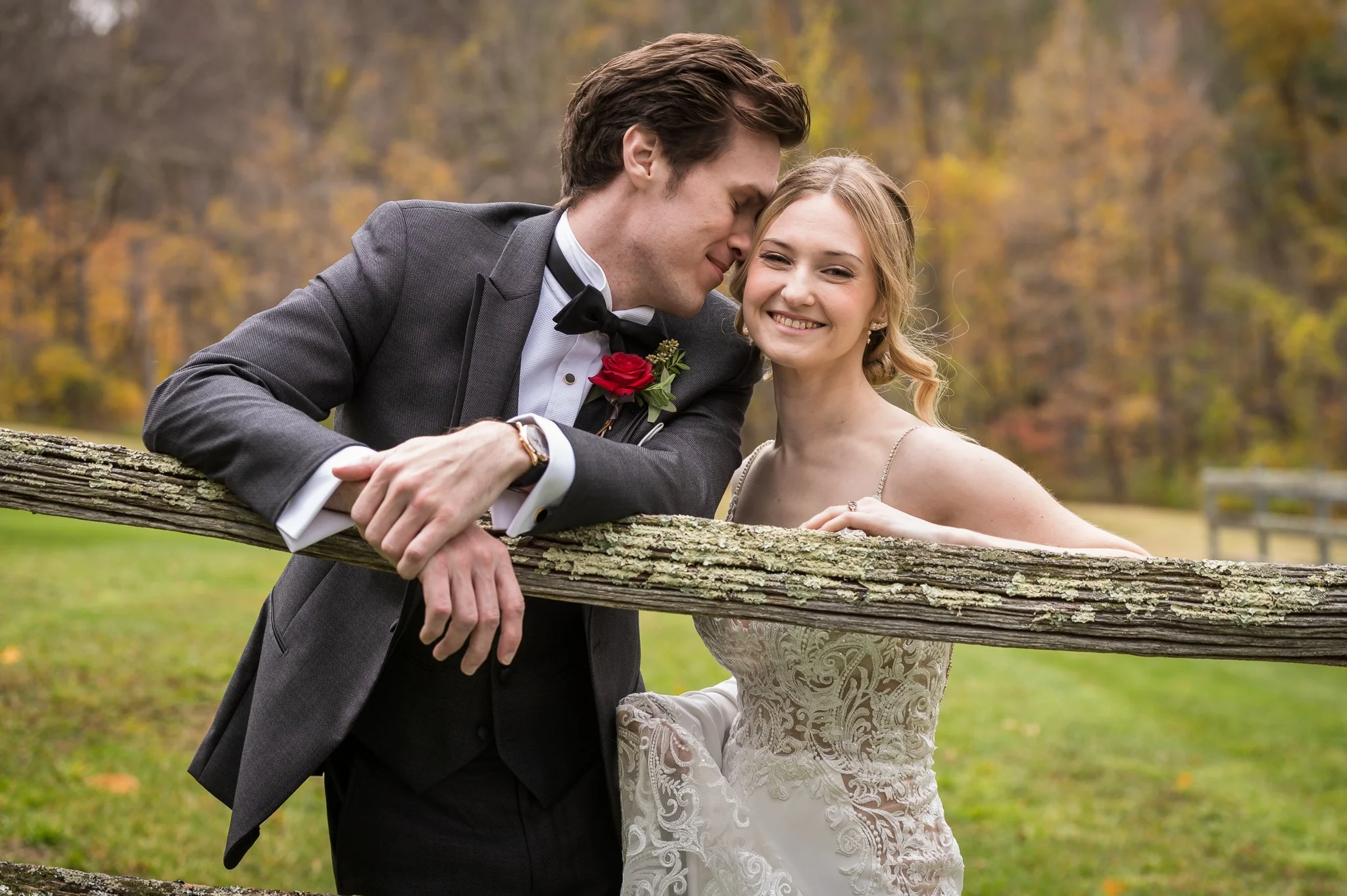
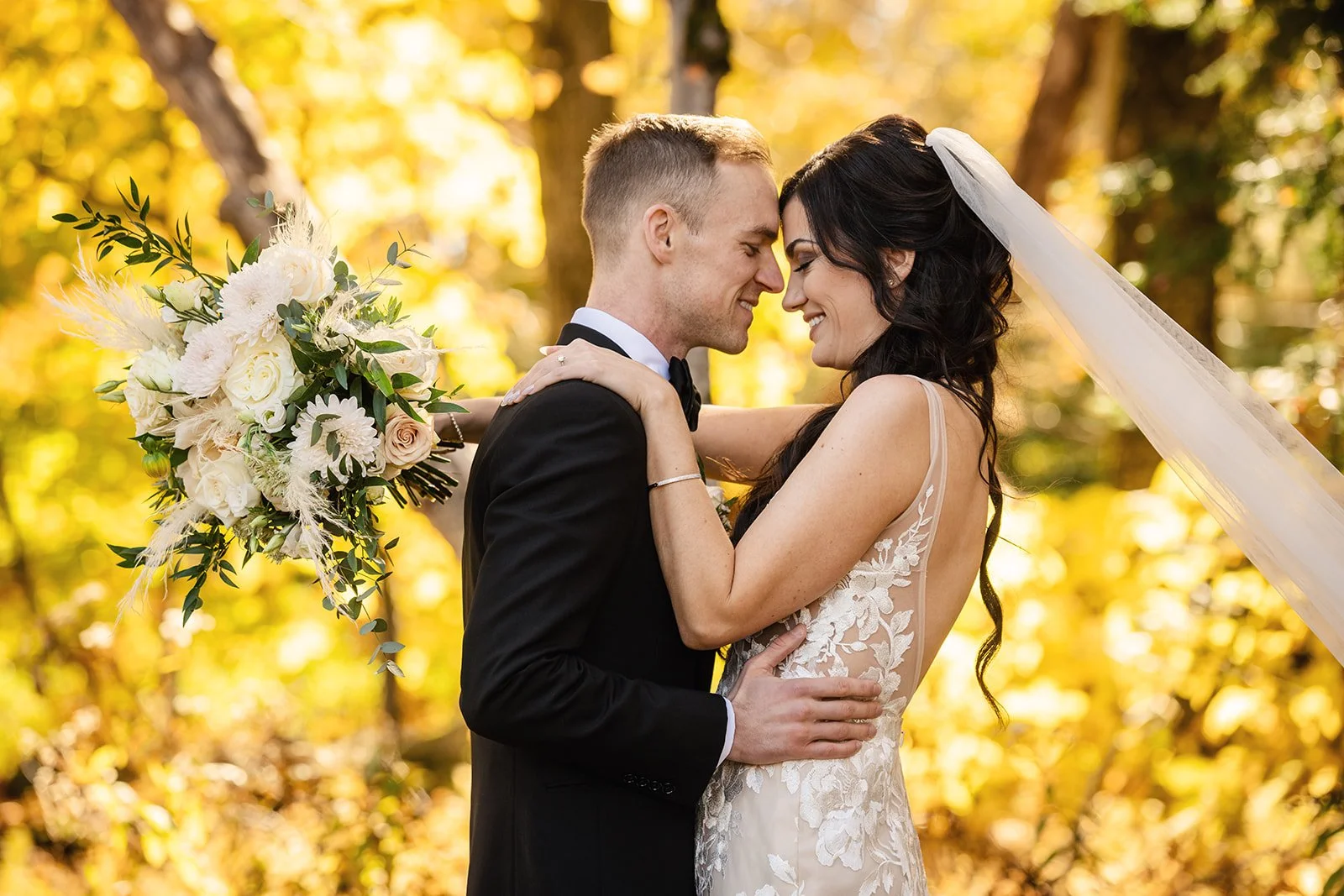
Most couples start the same way. You open Instagram, save a few images you like, compare editing styles, and try to decide whose work feels the most like you.
That makes sense. You should like how a photographer’s photos look. But that is only part of the decision.
The harder part, and the more important part, is figuring out how that photographer actually works on a wedding day. Do they help the day feel calm? Do they keep things moving without making everything feel managed? Do they protect your time with each other and your time with guests? Or do they treat the day like a long list of shots to chase?
That difference shapes more than your experience. It shapes the photos too. After this, you’ll be able to choose a wedding photographer based on how they work, what to ask, and what decisions matter most if you want photos that feel like your day instead of just looking good in a portfolio.
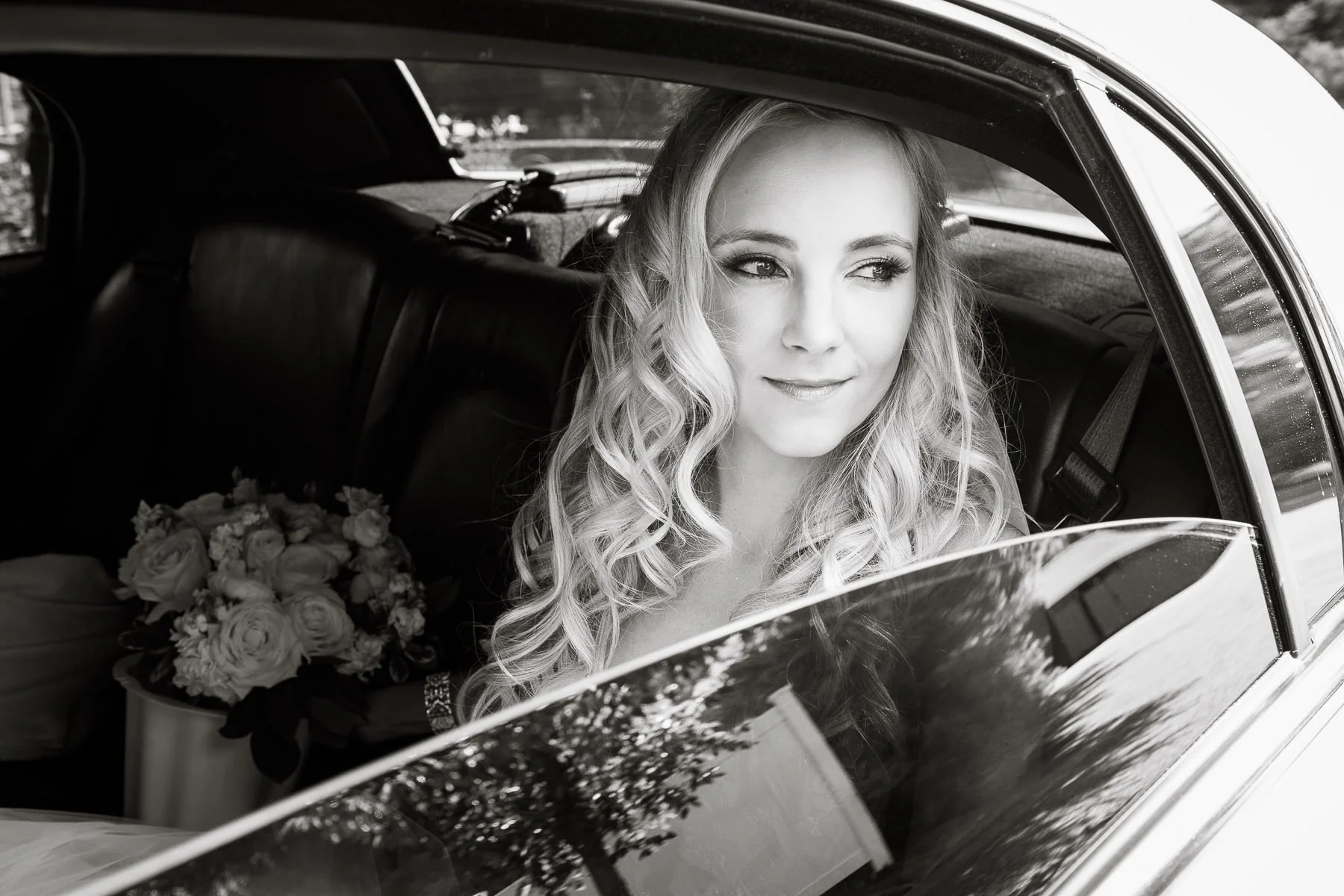
Your photos start with how the day feels.
A portfolio usually shows what a wedding looked like. It does not show how the photographer operated from start to finish.
That matters because the real power of wedding photos is not just visual. It is emotional recall. A strong wedding photo brings you back to the relationships, the energy, the pace of the day, and the way it felt to stand there with those people.
That is why I think a photographer’s style is bigger than the edit. Style is also anticipation. It is restraint. It is knowing when to step in and when not to. It is understanding what matters most to you and protecting that throughout the day.
A simple way to think about it is this: how it felt to make the photograph becomes part of the photograph. If you were rushed, interrupted, over-directed, or pulled away from the day too often, some of that will live in the images. If you were grounded, present, and actually having a good time, that lives there too.
The portfolio should be the start, not the whole decision
Instagram is a highlight reel. It shows a photographer’s strongest images across many weddings, often across many years.
That does not tell you how they handle family photos when an uncle starts adding extra requests. It does not tell you whether they drag cocktail hour portraits 20 minutes past what they promised. It does not tell you whether they respect the planner, read the room during the ceremony, or quietly protect your time.
A better process is simple.
First, make sure you genuinely like the work.
Then ask to see a few full wedding galleries. Not just the best 40 images. A full day from start to finish.
Then get on a call and ask questions that reveal how the photographer thinks.
Two of the most useful questions are:
What does a “successful” wedding day look like to you?
What are your priorities on a wedding day?
Those questions tell you a lot, fast. Some photographers answer mainly in terms of dramatic images, trends, or what performs well online. Others talk about protecting the couple’s experience, reading the room, and making decisions that support the day. That difference matters.
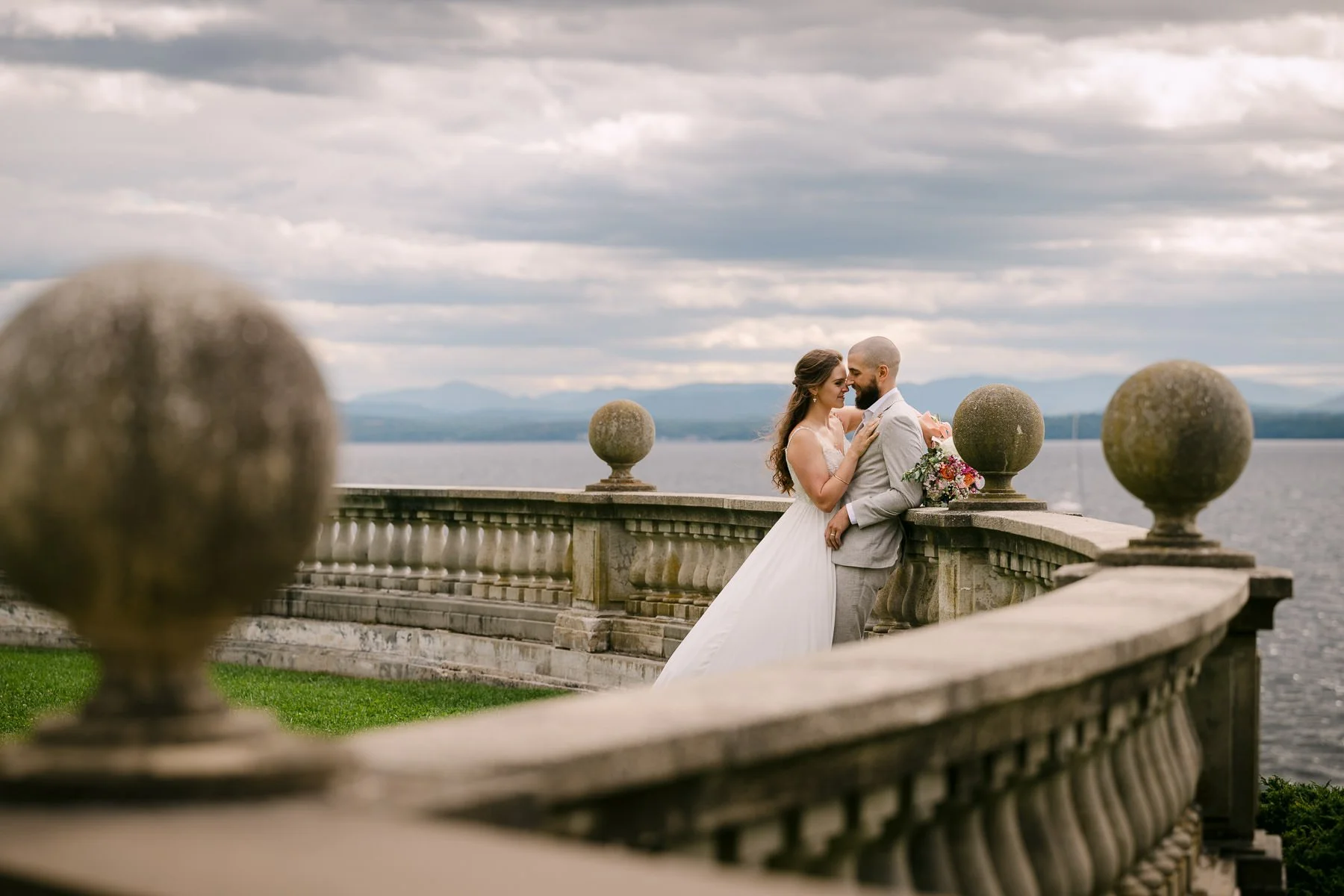
Great photos come from presence.
Great wedding photos do not come from a photographer chasing moments.
They come from you being present on your wedding day.
The photographer’s role is to protect the conditions that make that possible. That can mean helping shape a timeline with breathing room. It can mean staying strict about a 10-minute golden hour portrait window so dinner service is not thrown off for 200 guests. It can mean politely redirecting a relative who wants five extra family-photo combinations when that would cost you your only portrait time or your only chance to be at cocktail hour.
These decisions are rarely visible in a portfolio. But they are often the reason a wedding feels smooth instead of frantic.
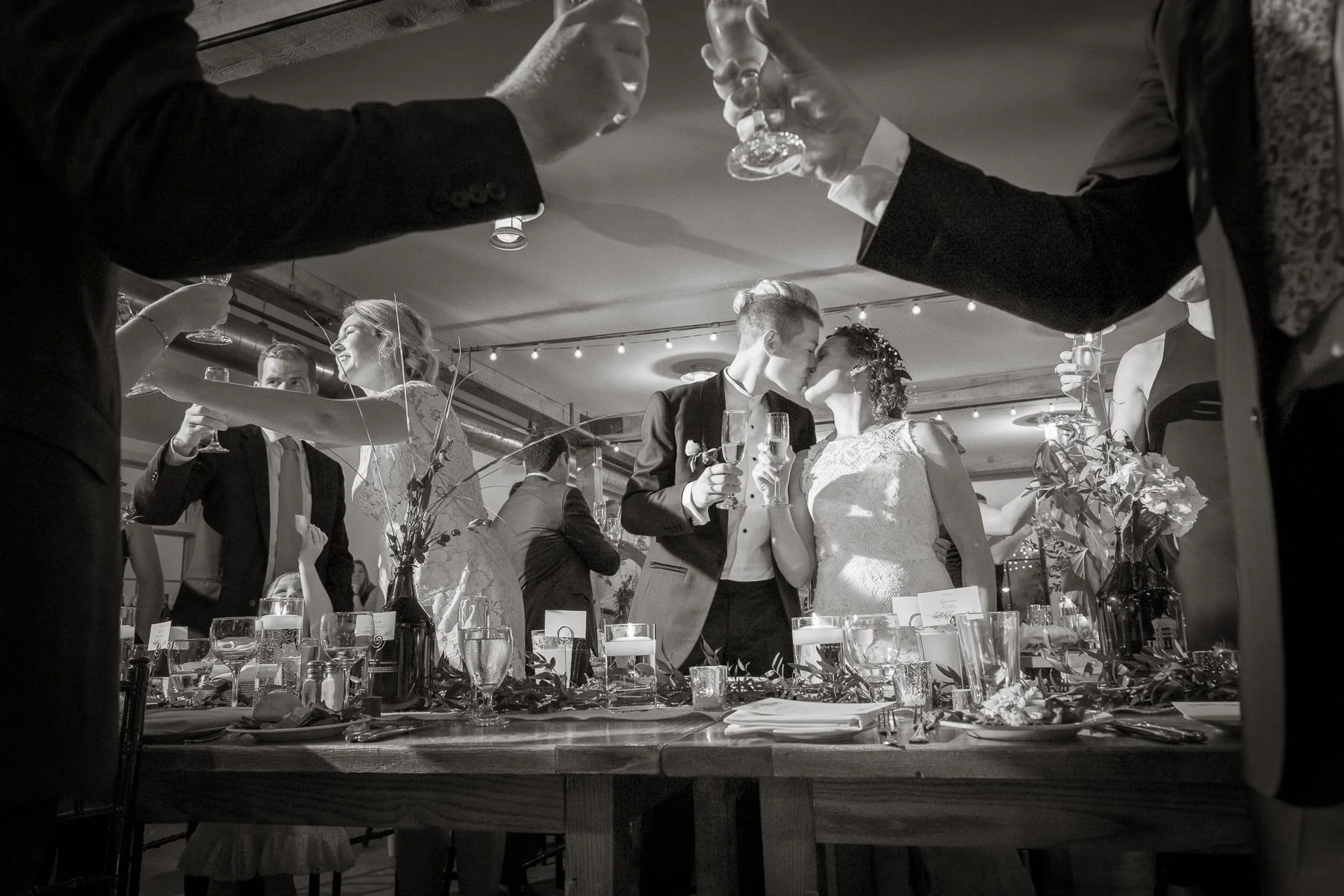
The opposite is also true. I have seen examples online of photographers sprinting into the aisle during the first kiss, blocking guests, and gesturing for the couple to do it again. I have seen photographers get so physically close during vows or rings that they become part of the scene. I have heard guests at weddings tell me about other photographers who were rude, dragged portraits on too long, and kept everyone from getting to cocktail hour.
The pattern is the same every time. The photographer becomes the story for a moment that was supposed to belong to the couple.
Three planning decisions that shape the day and the photos
Decide early whether a first look serves your priorities
This is one of the biggest structural choices in a wedding day.
If seeing each other for the first time at the ceremony is one of your top priorities, that is valid. Protect it.
But if it is not a core priority, a first look usually creates a better day.
With a first look, you can often do couple portraits, wedding party photos, and family photos before guests arrive. That means you are not trying to force roughly 90 minutes of photos into a 60-minute cocktail hour. It also means you can actually attend cocktail hour, which is one of the few parts of the day with no real agenda beyond being with people.
There is another benefit couples often do not think about. A first look gives you a quiet moment together early in the day. You get to say hi. You get to settle in. You get to start the day with each other instead of being swept straight from getting ready into ceremony, portraits, introductions, and dinner without a breath.
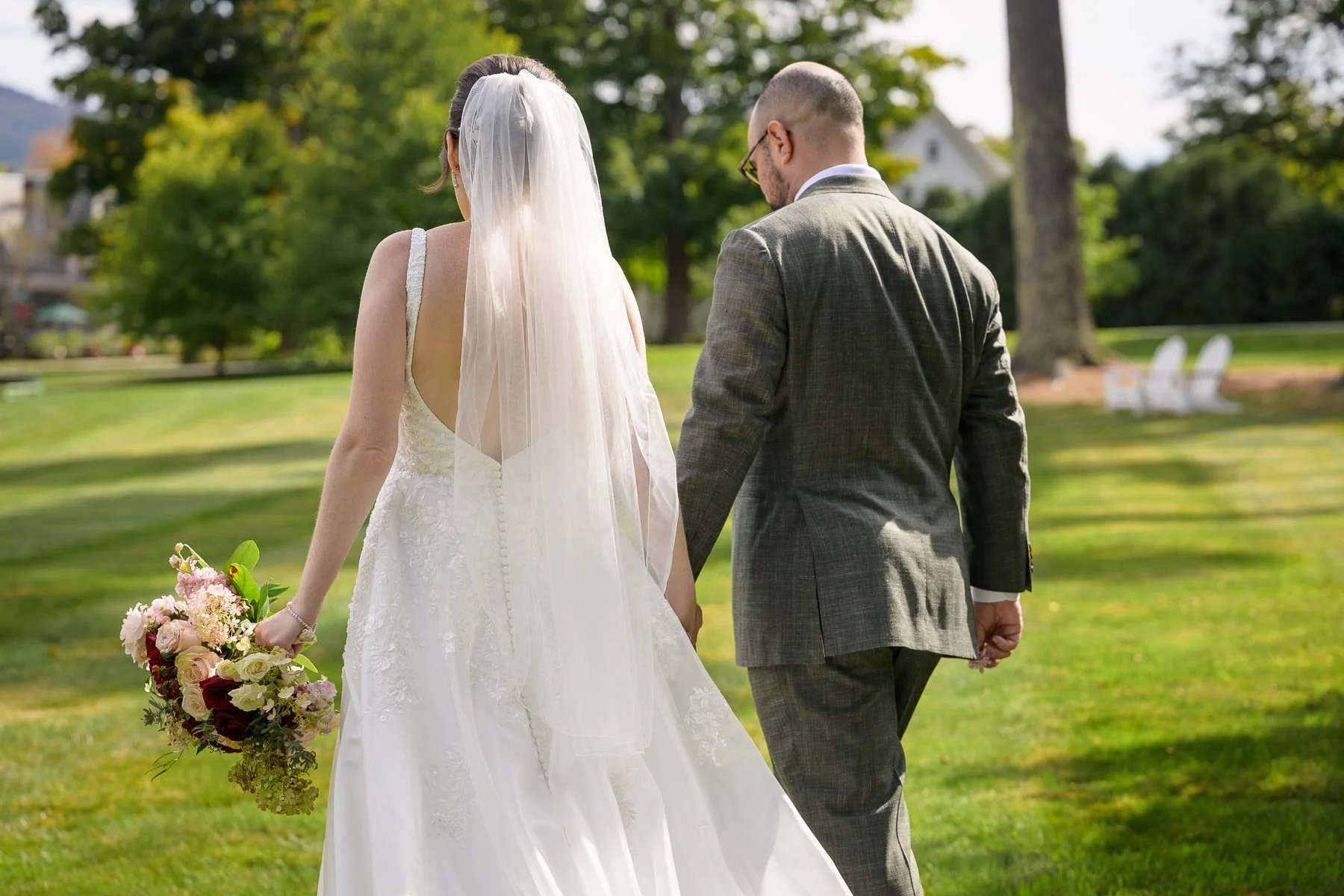
Build pauses into the timeline on purpose
Presence needs margin.
A lot of wedding timelines are not short on total hours. They are short on space. Everything is packed tightly, and the couple moves from one obligation to the next without ever stopping long enough to notice what is happening.
That is a mistake.
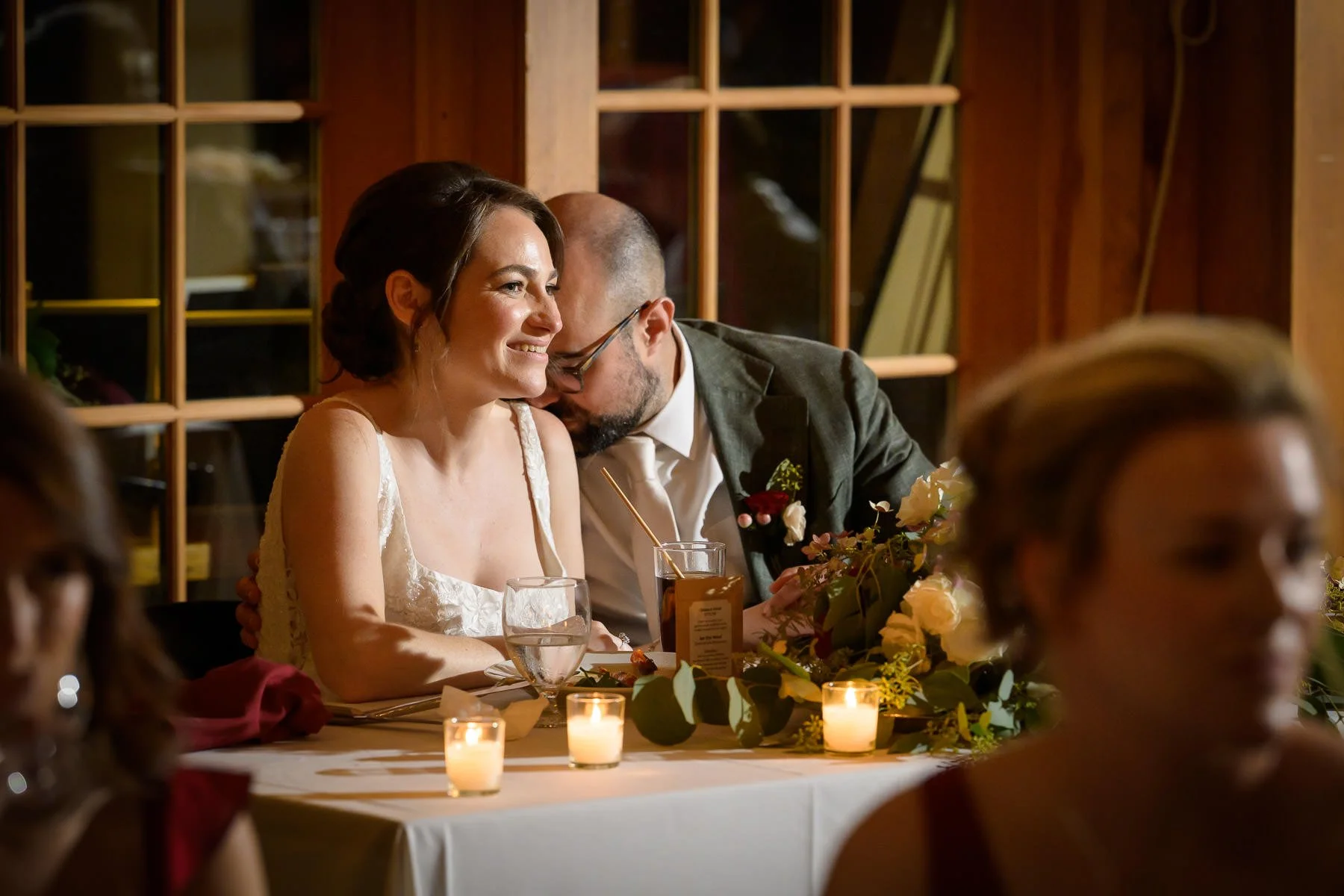
Some of the strongest moments on a wedding day happen when nothing is really happening. A sweetheart table can do this. A short walk together after dinner can do this. Even a small buffer between timeline blocks can do this.
I saw this clearly in another wedding conversation with a couple named Chelsea and David. They ended up with a sweetheart table mostly because of logistics, not because they wanted one. It became one of their favorite parts of the day because it gave them a moment to sit, look around, and realize all their favorite people were in one room together. That moment happened because the timeline allowed it.
Related: Read all of Chelsea and David’s wedding day reflections here. Wedding Timeline Tips From a Real Couple: How Chelsea and David Built a Day They Could Actually Feel
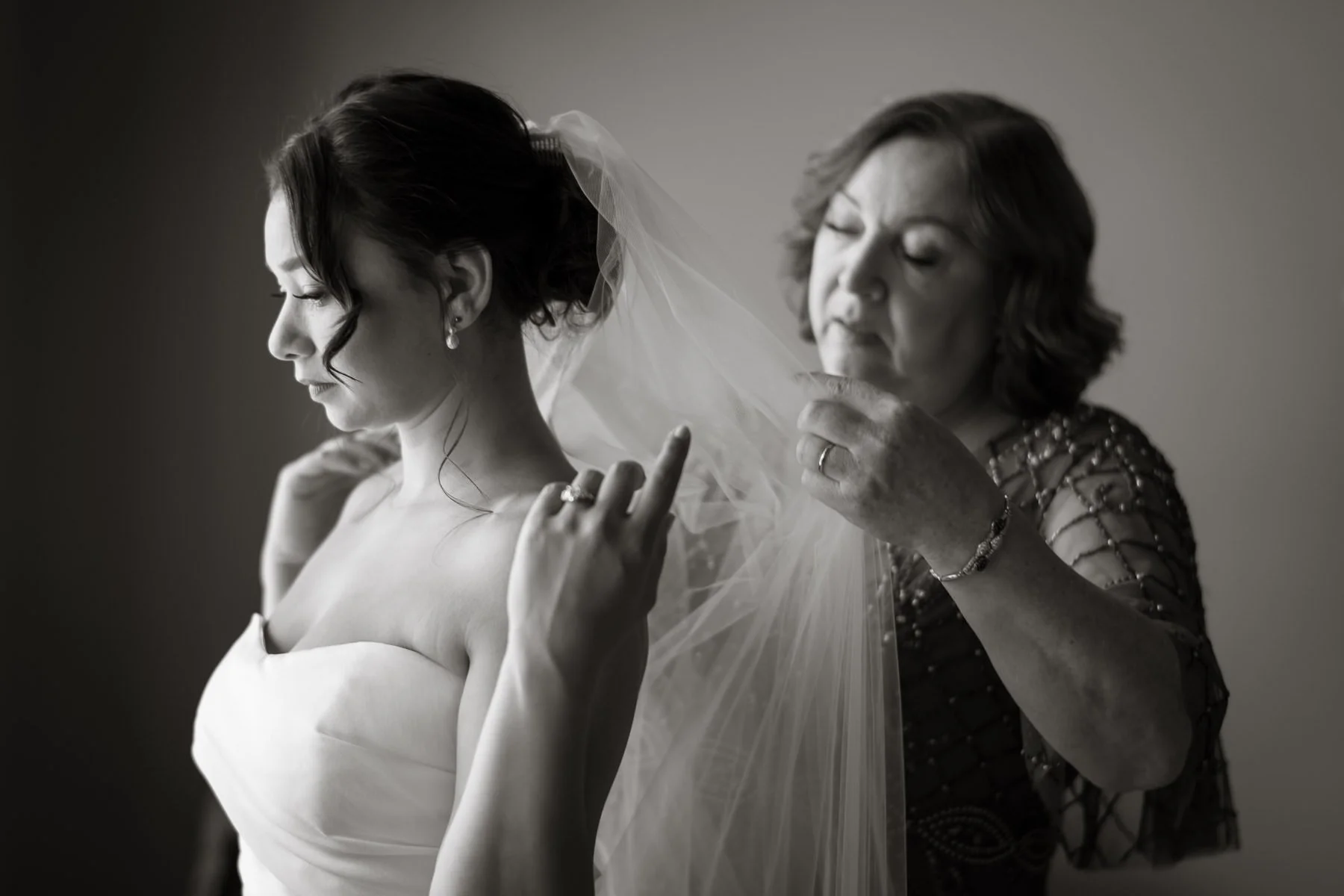
Set the tone with a calm getting-ready space
The start of the day matters more than people think.
If the getting-ready room is packed, loud, behind schedule, and full of extra opinions, that energy carries forward. Couples leave the room already depleted.
A better approach is to be intentional. Decide who actually needs to be there. Confirm timing with hair and makeup so you have room to get dressed without panic. Set aside your details ahead of time. Have your dress unpacked and ready. Make the room feel manageable.
This helps in obvious ways, like staying on time. But it also helps in less obvious ways. When the photographer is not spending the first part of the day hunting for shoes, jewelry, perfume, cufflinks, or a hanger, they can focus more on the candid parts of the morning. And when you leave that room feeling calm, you are much more likely to carry that feeling into the rest of the day.
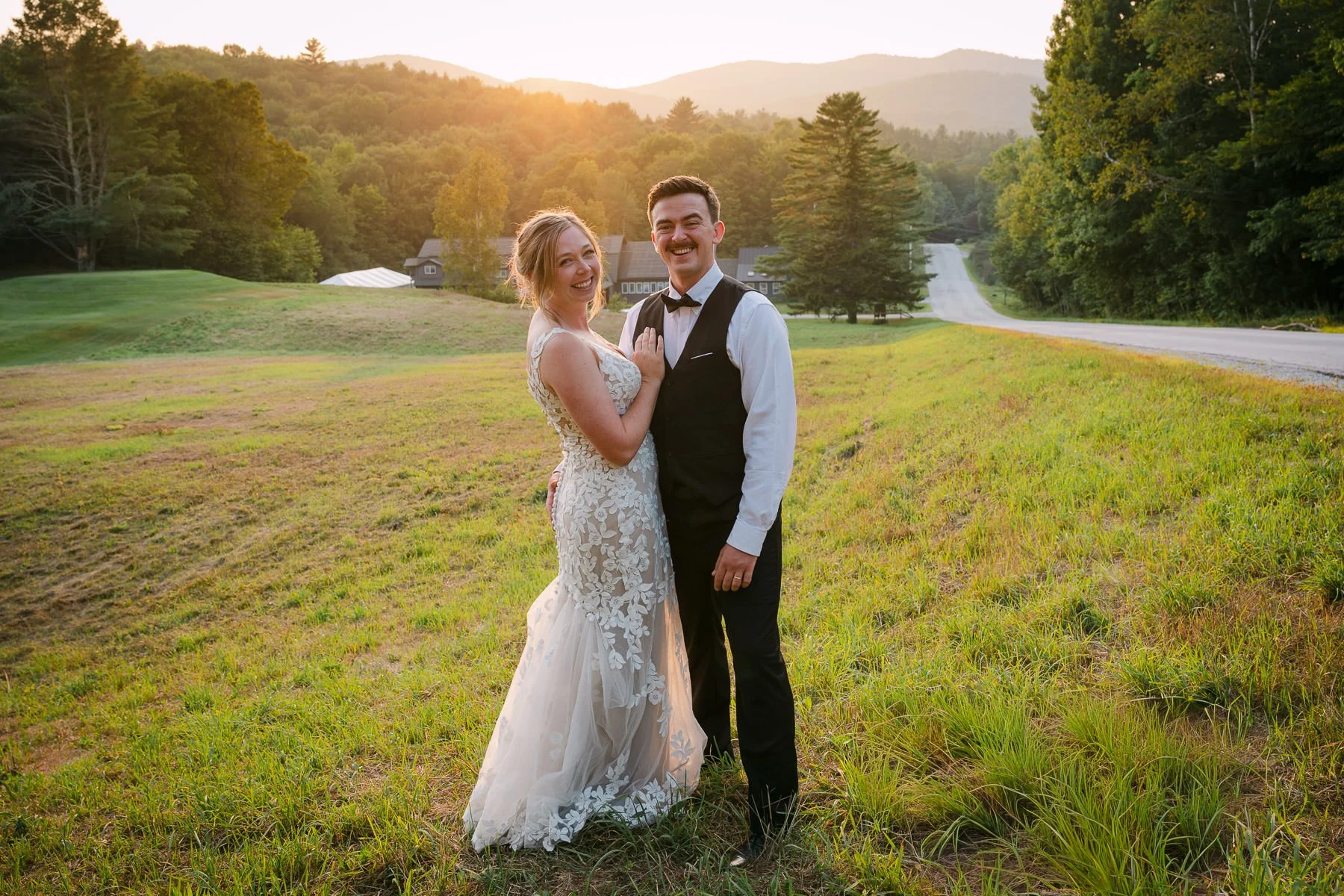
A real example from Trailside Inn in Killington
I photographed a wedding last summer at Trailside Inn in Killington, Vermont that tied all of this together well.
It’s a cozy mountain inn where many guests can stay on site for the full weekend. That setup helps right away because the couple can see people the night before and the morning after, which lowers the pressure to somehow fit every conversation into the reception.
Lauren and Mike also made several good structural choices. They had a manageable getting-ready environment. They did a first look. We got portraits handled early.
They were able to be fully present for cocktail hour. And even though I was the only photographer that day, it never felt compressed.
That was the clearest sign the setup was working. We weren’t just surviving the timeline. We had room.
There was space for candid guest interactions during cocktail hour. There was time for a few extra group photos with friends. Later, we even had enough margin to step away briefly for golden hour portraits with mountain views.
None of that happened because we forced more into the day. It happened because the day was structured well from the start.
Afterward, Lauren and Mike emailed to say the photos made it feel like they were reliving the day when they looked through the gallery — and that nothing felt staged, just pure joy and fun.
Common mistakes couples make when hiring a photographer
Choosing from a few standout Instagram images instead of reviewing full galleries
Asking about style but not asking how the photographer thinks about the day
Treating the wedding like a shot checklist instead of a lived experience
Underestimating how much first look decisions affect the whole timeline
Packing the day too tightly and leaving no room for pause
Assuming every photographer will naturally protect the experience without being asked
Quick Checklist
✓ Make sure you like the photographer’s work, but do not stop there
✓ Ask to see at least two full wedding galleries
✓ Ask, “What is your philosophy around wedding photography?”
✓ Ask, “What are your priorities on a wedding day?”
✓ Notice whether their answers focus on people or only on images
✓ Decide whether a ceremony reveal is truly one of your top priorities
✓ If it is not, seriously consider a first look
✓ Build small buffers into the timeline instead of filling every gap
✓ Protect at least one pause point during the day
✓ Be intentional about who is in the getting-ready space
✓ Prepare details ahead of time so the morning stays calm
✓ Choose a photographer who seems aware of how their decisions affect the whole day
Final Thought
The simplest version of all this is that a photographer does more than document your wedding. They influence it.
That is not a reason to be nervous about the choice. It is a reason to choose with a better filter.
You do not need someone whose work only looks good in a portfolio. You need someone whose way of working helps the day feel better while it is actually happening. When that part is right, the photos usually carry more of what you wanted from the day in the first place.
Get the Journal Dispatch
Occasional notes on meaningful photography, intentional weddings, and planning tips delivered straight to your inbox. No fluff, no spam, just thoughtful inspiration when you need it.